
New research from economist and SCP Fellow Gillian Petit, PhD, JD, explains why GDP per capita is a poor measure of economic performance and economic well-being. Using changes in GDP per capita as evidence of either improving or deteriorating economic well-being is poor economics, poor public policy and poor reasoning.
Main messages
- The statistic “GDP per capita” has been used by some Canadian commentators as a summary measure to make sweeping claims about the state of the Canadian economy. However, this is misleading. Canada’s GDP per capita should not be used as if it were the sole indicator of economic well-being.
- Many conclude that low growth in GDP per capita over the past decade suggests that Canada’s economic growth has been low. But that is untrue. Canada’s economic growth has been on par or ahead of peer countries. Growth in GDP per capita, however, has been decreased by a high growth in temporary residents, like temporary foreign workers and international students. This is an arithmetic quirk of GDP per capita.
- This paper estimates what our GDP per capita growth would have been if Canada’s intake of temporary residents was more in line with recent historical norms. It also estimates the impact on GDP per capita growth in the coming years as a result simply of lowering our intake of temporary residents. Under both scenarios, Canada’s GDP per capita growth would have looked—and will look—very much like our peers.
Read the related article by Matthew Mendelsohn and Dan Skilleter.

Share with a friend
Related reading
Getting capital into local businesses and communities must be part of Canada’s investment strategy
Getting capital into local businesses and communities must be part of Canada's investment strategy.
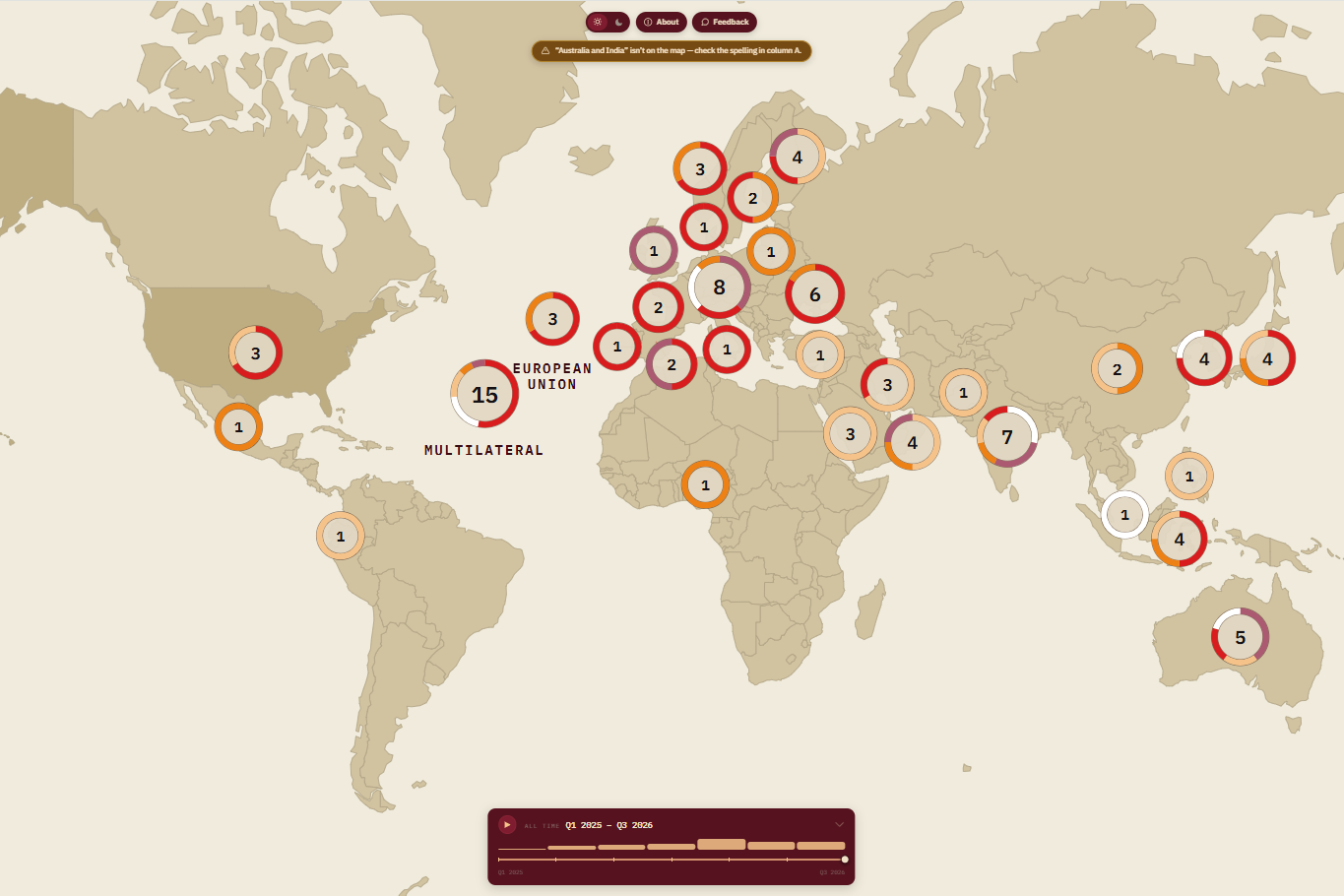
Mapping Canada’s Variable Geometry
In partnership with the Canadian Shield Institute and the Gloves Off podcast SCP built a map of Canada's new international agreements.
Social Capital Partners’ 2026 Federal Pre-Budget Submission
Canada must mobilize all the tools at our disposal right now to build a strong, sovereign, resilient economy.