

Browse our ideas, opinions and initiatives designed to unlock pathways to wealth and economic security for working people. Or, filter your search by Topic or Type by clicking the menu options on the left.

How to get single family homes out of the hands of investors | Toronto Star
About 1.3 million homes in Canada that could be family-owned are held by investors—mostly individuals. In The Star, Matthew Mendelsohn, the Missing Middle Initiative's Mike Moffat and Jon Shell explain how a simple tax change could finance new rental construction while also freeing up homes for families to buy. The policy would temporarily allow investors to defer capital gains taxes if they reinvest proceeds into new purpose-built rentals. Many policy changes are needed to fully address the complex Canadian housing crises, and this could be one that puts Canadian capital to more productive uses.

Pipelines and algorithms aren’t going to save us | The Hill Times
Smart investments in natural resources and AI alone will not get us through this moment of geopolitical rupture. As Matthew Mendelsohn writes in an op-ed for The Hill Times, SMEs contribute just over half of Canada’s GDP and employ 64 per cent of our people. We have to make more low-cost capital available to the smaller businesses, locally owned enterprises, not-for-profits and social enterprises who crucially employ and reinvest locally, act as important local economic infrastructure and provide services that are crucial for well-being. They are automatic stabilizers in the face of tariff threats outside our control.

Creativity could be collateral damage of U.S. film tariff
When U.S. tariffs threaten to strike creativity and culture, we can't afford to stay quiet. SCP Fellow and POV executive director Biju Pappachan explores the implications of the U.S. imposing a tariff on foreign-made films and explains why this is the moment for Canada to stand up for its filmmakers, crews and cultural sovereignty. Film and television are not luxuries; cultural production is a strategic sector that delivers exports, jobs and soft power. Just as we negotiate for agricultural or industrial tariff exemptions, cultural production deserves equal protection.
Mark Carney’s economic agenda misses something vital | Toronto Star
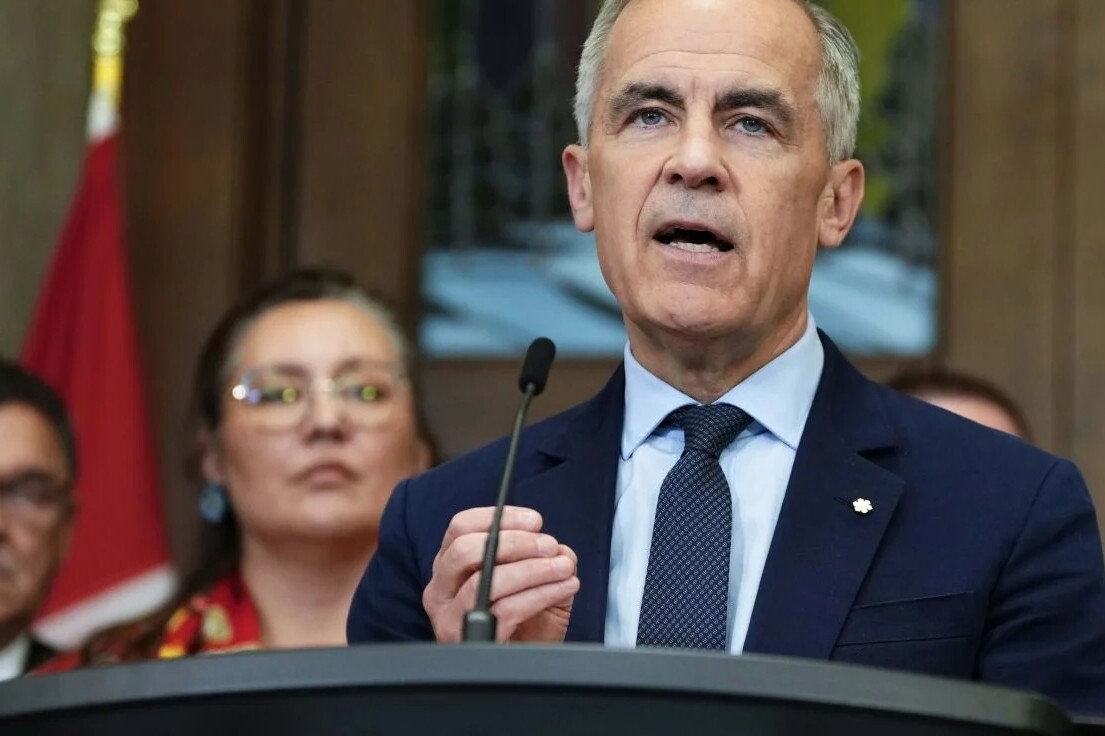
Prime Minister Mark Carney's campaign focused on economic growth and sovereignty. He talked a lot about how Trump wants to "break us so he can own us," and yet, so far, details of an ownership agenda are pretty thin. The reality is that Canadians cannot be "masters in our own home" if the home is owned by a U.S. hedge fund. Broadly distributed, local Canadian ownership of our economy and our assets must be a central part of our economic growth strategy. In the Toronto Star, SCP CEO Matthew Mendelsohn writes that he sees some early, positive signs of such a plan coming from the federal government and spells out what a real ownership agenda that serves "the owners of Canada" would look like.
A new middle-power alliance would give Canada leverage and Canadians hope
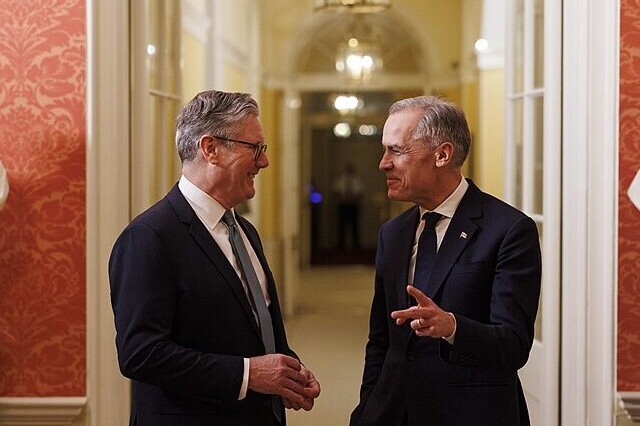
Canada should lead the world’s middle powers in a collective and overdue weaning from American primacy by establishing a grand new security and economic alliance. As SCP Chair Jon Shell argues in The Hill Times, ten countries including Canada, Australia, France, Germany, Italy, the U.K., Spain, Japan, South Korea and the Netherlands, or the “Core 10," would amount to about the same GDP as the U.S., with significant natural resources, massive buying power - and significant leverage against American economic aggression.
Letting private equity buy law firms may stifle service, mobility | Bloomberg Law
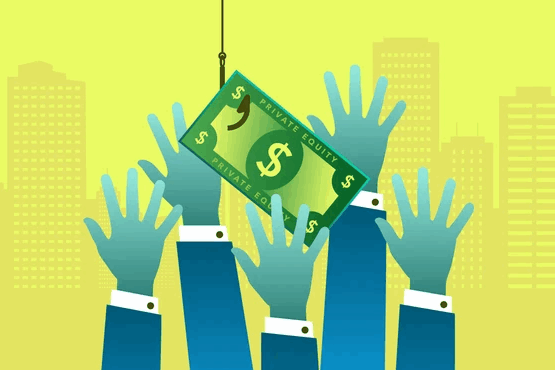
If we allow for private equity ownership of law firms, it isn’t unreasonable to expect a similar result as we are seeing in other professions—lower quality of service and work for clients and lower job satisfaction for lawyers. In an op-ed for Bloomberg Law, SCP Fellow Rachel Wasserman of Wasserman Business Law outlines why law firms should decentralize, not consolidate, to provide good service and keep lower overhead.

Mark Carney passed a tough test in Washington. He now faces an even tougher one at home | Toronto Star
We predicted that American investors would be looking to buy up Canadian businesses and assets, and that this would threaten our national security and economic sovereignty. Now Canada has to make a call on whether to kill Texas-based energy giant Sunoco's takeover of Parkland Corporation. In the Toronto Star, SCP CEO Matthew Mendelsohn and Chair Jon Shell ask: do we want to be owned by American billionaires, to work for them and have our wealth stripped away to pad bank accounts in New York and Dallas? If we really want Canada to remain ours, they argue, then we need to think and act like it.

Mark Carney and the Canadian business elite need to think more about growing wealth inequality that is destabilizing democracies around the world
Mark Carney made a speech last week and many people had plenty to say about it. But one of his replies during the Q & A deserves more attention than it received. MP Nate Erskine-Smith asked Carney what he would do about Canada’s growing wealth inequality. Carney’s answer was a bit unfocused, but he made two points clearly: 1) Let’s hope wealthy people give more to charity, and 2) We shouldn’t only focus on redistribution.

Canada is bad at studying wealth inequality and we explain why that matters
Social Capital Partner's Director of Policy Dan Skilleter summarizes the key findings of his recent report "Billionaire Blindspot" in a Toronto Star Opinion piece.