Breaking Points with Krystal and Saagar is a fearless anti-establishment Youtube show and podcast with over 1.58 million subscribers.

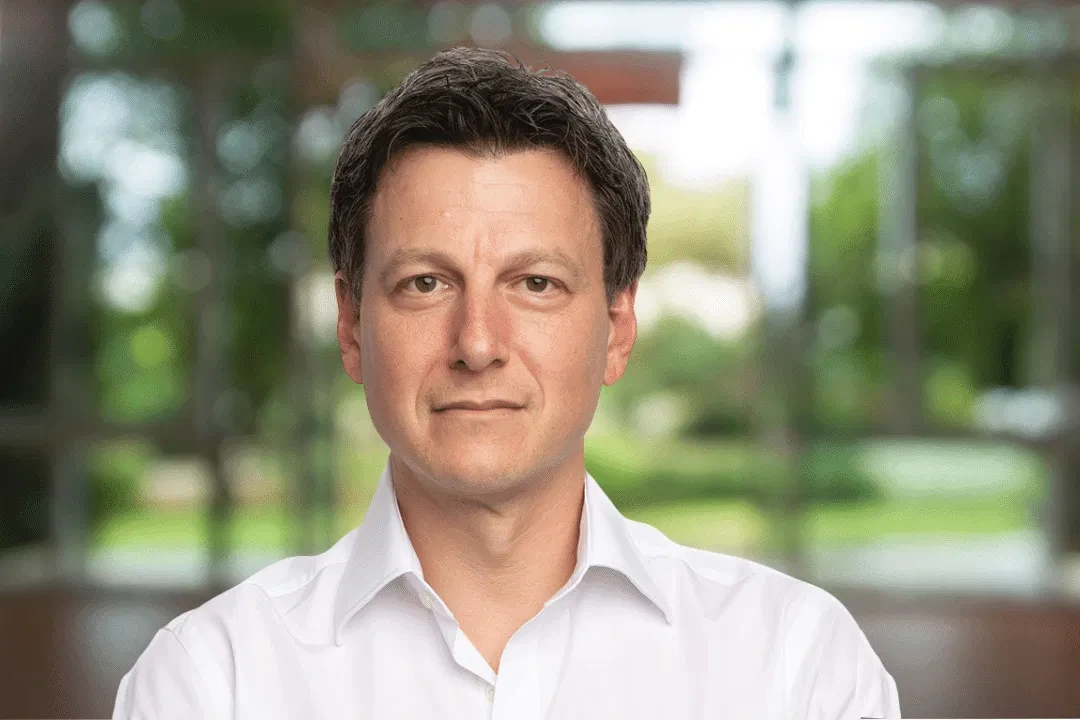
In this episode, BP correspondent James Li sits down with economic analyst and SCP Fellow Rachel Wasserman to discuss Trump’s executive order opening up 401k plans to private equity. Private equity is a type of investment where firms pull money from wealthy individuals and institutions to buy companies usually outside of the public market. Over the past many decades, private equity has promised outsized returns by taking companies private, loading them with debt, improving their operational efficiency and selling them later at a profit. But with rising interest rates and frozen exit markets, that model could be under serious stress.

So, what are the implications of making this type of investment available to retail investors and their retirement plans? Rachel walks James through how private equity works, what’s so dangerous about the buyout-private equity model and who might get left holding the bag.

James Li
Correspondent, Breaking Points


Share with a friend

Related reading
Ontario wakes up to the succession tsunami

In November, 2025, the Ontario provincial government finally stepped into the looming “succession tsunami,” launching a modest $1.9M Business Succession Planning Hub to help micro-business owners plan exits through local Small Business Enterprise Centres. Notably, the hub spotlights employee ownership and the new Employee Ownership Trust, signaling a shift toward mainstream adoption. But, as Dan Skilleter writes, Ontario’s approach focuses narrowly on retiring owners, ignoring how different buyers shape risks and benefits to workers, communities and Canada's broader economic sovereignty. This is a promising start that could and should grow into a broader succession-planning policy that protects Ontario’s long-term resilience.

map showing on open laptop computer with hands typing

Mapping the economic centre-left

The large and well-funded American blogosphere has a pretty wide array of economic voices and ideological camps within the centre-left tent. So big, in fact, that there’s a sub-genre of inter-blog conflict dedicated to people named Matt. Over the years, SCP Director of Policy Dan Skilleter has found it useful to categorize these various different centre-left ideological camps in his head. The categories are not mutually exclusive, and most people probably identify with a few at once. This explainer breaks down each camp's story about what’s wrong with the economy and how they’d prioritize dealing with it.

How intergenerational inequality threatens trust in democracy | Policy Options

Our political leaders must be willing to make difficult tradeoffs to rebalance policies toward the young and away from older Canadians, write Jean-François Daoust, Liam O'Toole and Jacob Robbins-Kanter in Policy Options. The broader economic picture for younger Canadians offers little hope, and economic frustration is shown to run hand-in-hand with political alienation. As intergenerational inequality persists and deepens, Canada risks experiencing an even sharper decline in trust in its democratic institutions than what already exists. Building affordable housing and supporting young families are essential first steps in a much-needed generational reset that puts fairness at the centre of Canadian political life.

Skip to content