
I am not going to tell you sweet stories about how everything is going to be okay. There are a lot of bad things happening in the world – and things might get worse.
When I joined Social Capital Partners last year with the goal of building a better economy, we talked about how challenging it would be. There were many forces working to consolidate wealth, entrench economic inequality and erode democracy.
It has only gotten worse. Authoritarians around the world are working to undermine democratic capitalism, and Canadians are faced with an incoming American president who promises to inflict economic pain on Canadians.
Is it scary? Sure. Worse, our current moment comes against the backdrop of an economy that is already failing working people. In many capitalist democracies, working people are experiencing real financial insecurity. For decades, most of the benefits from economic growth have gone to wealth and capital. If you think people’s anxieties are “just vibes,” you are not looking at the right data or talking to the right people.

The barriers to wealth-building and intergenerational economic mobility for working people are higher than they’ve been in my lifetime. The pathways to building economic security and owning assets – like homes, businesses, investments, savings and pensions – are filled with larger and larger potholes. The data are clear on this.
The neoliberal, trickle-down consensus has failed to deliver for working people and younger people. It is increasingly obvious to almost everyone that the economic theories of the past 50 years, advanced by large financial interests, have delivered economic growth that has created obscene wealth for some and economic insecurity for most of us.
We need to be explicit about this failure. We’ve watched the ideological consensus collapse in front of our eyes. In many places, the vacuum is being filled by grifters and monsters. But Canada is truly lucky, and we can make different choices here.
___
When I came of age in the 1990s, I found a cheap apartment in Montreal, paid a few hundred dollars for university, graduated into a job market filled with middle-class opportunity and immediately bought a house and found a job with a good pension.
I knew that I was privileged, and that the experience of my generation was anomalous in human history, but I didn’t realize how quickly history would decide that it wasn’t done with us yet. Things have gotten worse for lots of people, who have to fight much harder for a fair chance to build economic well-being and live a secure, middle-class life.
So, I am excited about the rise of economic populist anger that is driving politics right now. Engaged citizens demanding something better, combined with practical ideas and sustained organizing, can build a better economy. It is almost always the only thing that does.
The economic challenges working people and young people face today are not the same as they were when I grew up. More and more economic activity in Canada is driven by consolidation, financialization and wealth extraction, rather than by building shared value for people and communities.
Purported solutions from the 1990s don’t provide answers on how to confront these issues. The economic models and toolkits we have no longer work because the structure and operation of our economy have changed.
Throughout our history, populist energy, coupled with good ideas that push back against the interests of Big Finance and corporate power, has built a better Canada. It is time for us to unlock that energy again.
And there is lots we can do. Make it easier for employees to own the businesses they work for. Strengthen competition laws to protect smaller businesses and prevent oligopolies from abusing their power. Require financial institutions to invest more in rural, racialized and Indigenous communities. New incentives to create more employer-based pension systems. Creative tax policy that stops the wealthy from wealth-hoarding and avoiding their civic responsibilities. More capital in the hands of people and places where it will deliver long-term economic well-being for communities. Policies that favour young people trying to secure housing rather than investors trying to build a fortune.
There are lots of real, tangible public-policy solutions to the problems we face. But it begins with talking about the economy in a different way, grounded firmly in the public interest and data that reflect the reality of how people experience their economic lives.
Most of the people who end up on stages talking about the economy seem to celebrate economic growth models that result in extreme inequality. We think celebrating these models leads no place good.
___
At Social Capital Partners, we understand our role in the coming years: tell the truth about the economy and who it works for, and advocate for transformational ideas that will build an economy that works for more people.
“Most of the people who end up on stages talking about the economy seem to celebrate economic growth models that result in extreme inequality. We think celebrating these models leads no place good.”
In an age when reactionary forces want people to feel powerless and afraid, we will continue to point out that the economy is a creation of human beings and is shaped by the rules, institutions, ideas and norms that we choose.
For those who have been with Social Capital Partners on our journey for the past 25 years, you know that we understand business and believe in the market economy. We believe in the power of entrepreneurs and markets to deliver economic growth and innovation. But you also know that we believe that capitalism requires regulations and practices that value the common good.
We are not okay with a status quo that extracts wealth and redistributes it upwards, concentrating economic power in fewer hands.
We do not know what the world will look in 10 years, but we will do our small part to try and shape that future towards more wealth and economic security for working people. We have the freedom to speak as we wish and call ‘bullshit’ when we see it, and we will put that freedom to work.
We hope that our networks of partners, investors and smart, kind people who’ve joined us in the past and understand how finance and public policy work – whether from your time in business, finance, consulting, politics or the public service – will choose to join us again. Canada needs you to put your knowledge to work to build the kind of economy, democracy and society that are true to the promise of the Canadian dream.
The system is not working for working people, but it can be unrigged, and you can help. Extreme wealth inequality, economic growth that delivers benefits to those who already have a lot, and barriers to intergenerational mobility are policy choices, and we can make different choices. If we don’t, we’re all cooked.
Share with a friend
Related reading
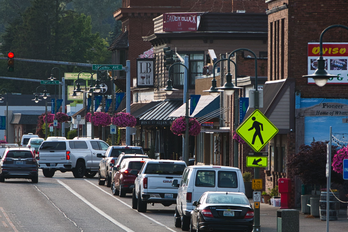
Getting capital into local businesses and communities must be part of Canada’s investment strategy
Getting capital into local businesses and communities must be part of Canada's investment strategy.
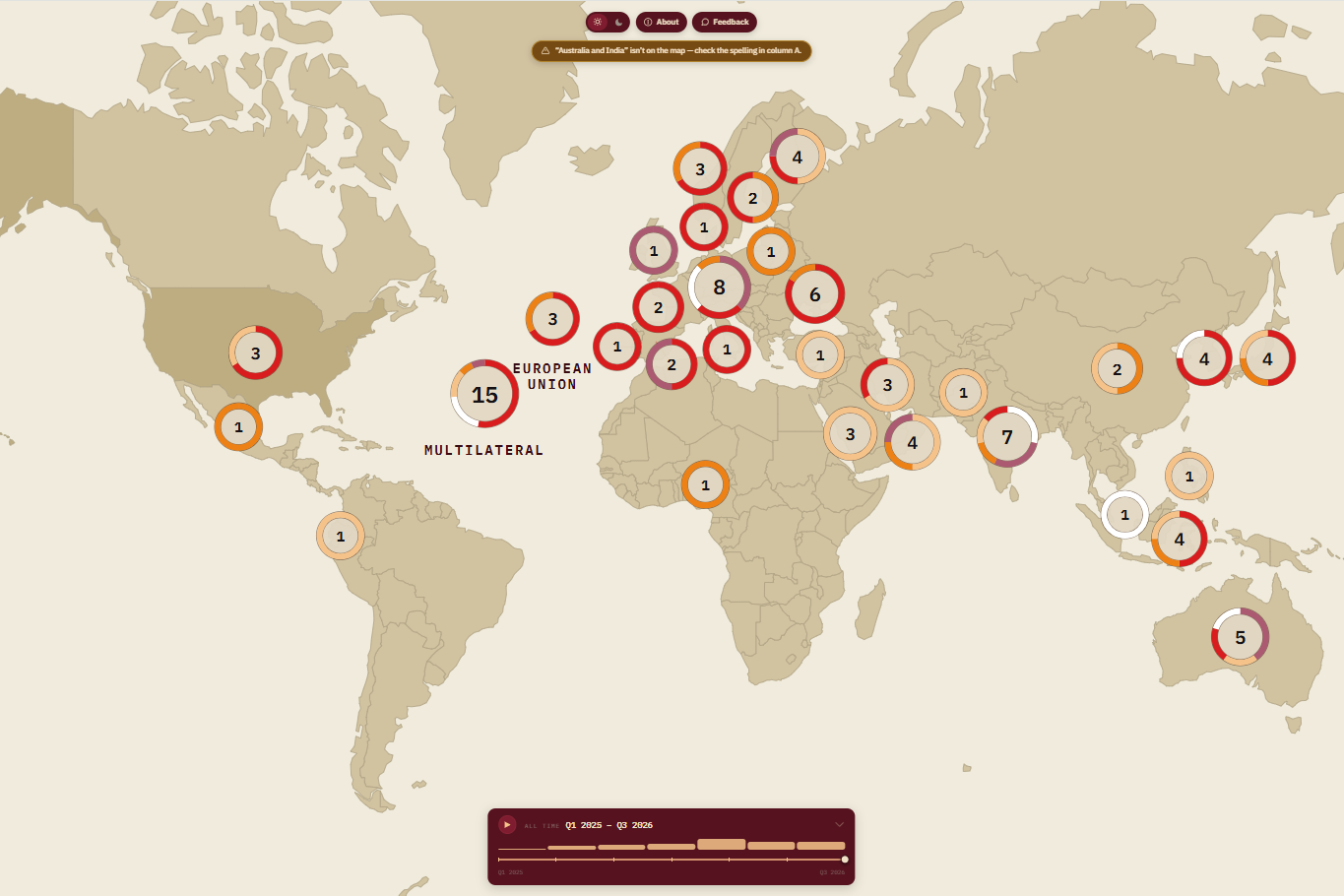
Mapping Canada’s Variable Geometry
In partnership with the Canadian Shield Institute and the Gloves Off podcast SCP built a map of Canada's new international agreements.
Social Capital Partners’ 2026 Federal Pre-Budget Submission
Canada must mobilize all the tools at our disposal right now to build a strong, sovereign, resilient economy.