
By Meera Raman | The Globe and Mail
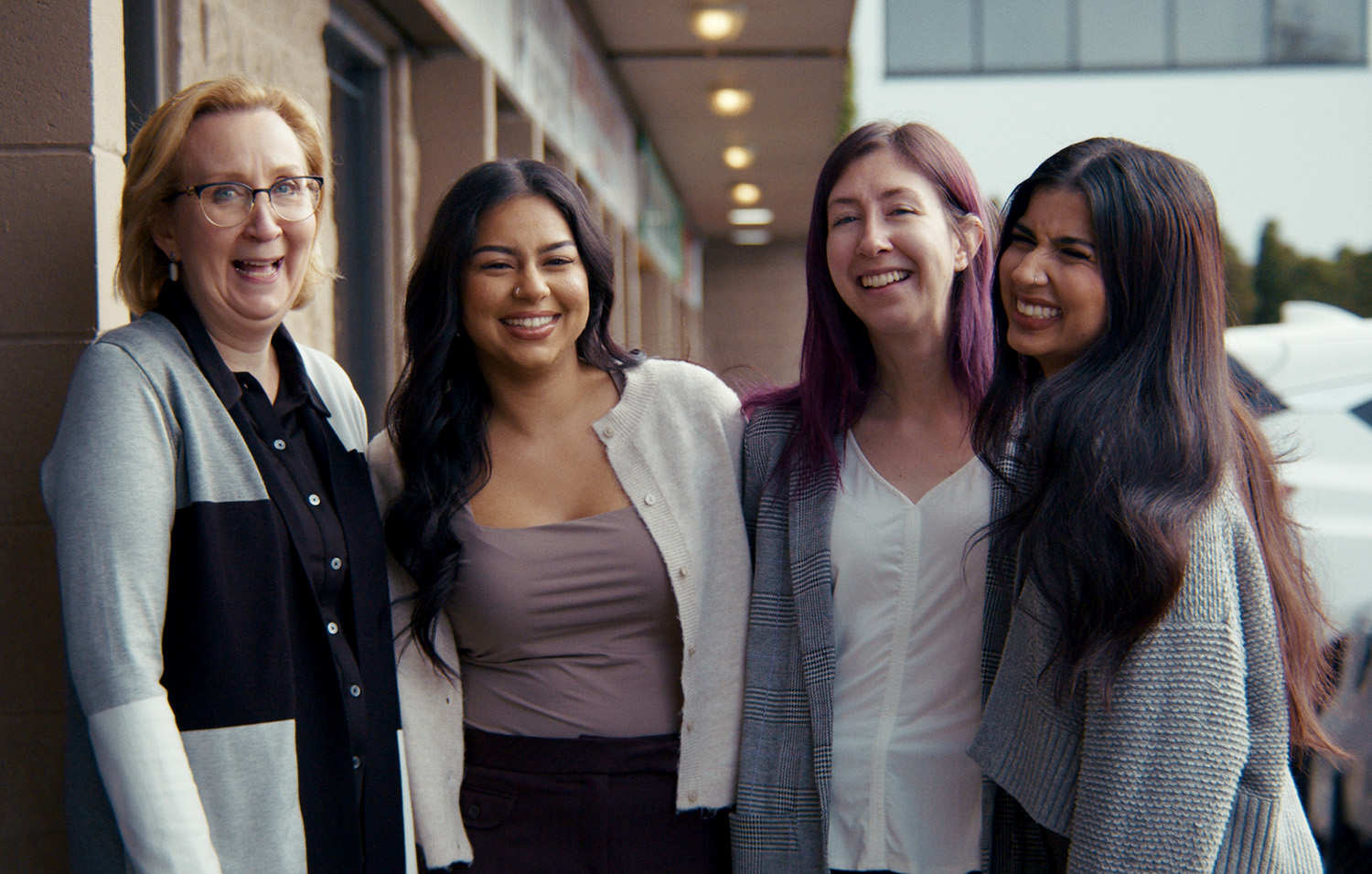
A British Columbia-based support services provider has become the largest company in Canada to transfer ownership to its employees through a new model designed to help owners sell their businesses without seeking outside buyers.
Taproot Community Support Services, based in Maple Ridge, B.C., announced to its workers Tuesday that it has been sold to its 750 employees through an employee ownership trust, or EOT, a structure only introduced in Canada last year.
The move makes Taproot the country’s largest EOT to date, according to Employee Ownership Canada, and highlights how the model could play a role in succession planning as thousands of small business owners prepare to retire.
“This employee ownership trust is the simplest way of transitioning ownership,” said Taproot’s chief executive Mike Fotheringham, who first learned about the concept while listening to a podcast on his commute last summer. “It provided current shareholders an opportunity to sell their shares, which was really important for a lot of them. Some of them had retired and weren’t with the business any longer.”
Taproot provides support services for adults with disabilities, as well as vulnerable youth and families across B.C., Alberta and Ontario. The company generated $54.3-million in revenue last year. Before the transition, it was owned by about 30 long-time and prior employees, some of whom are retired.
Finance Minister François-Philippe Champagne said in a phone interview that Taproot’s move is “something extraordinary.”
Visit Employee Ownership Canada to learn more about Employee Ownership Trusts.
Share with a friend
Related reading

Social Capital Partners’ 2026 Federal Pre-Budget Submission
Canada must mobilize all the tools at our disposal right now to build a strong, sovereign, resilient economy.
Built to Reach: How institutional accountability shapes the reach of financial systems
Canada needs a greater diversity of accountability in financing institutions to reach all our viable enterprises.
Why Ownership Matters in the Climate Fight: An Interview with SCP Chair Jon Shell | Future of Good
SCP Chair Jon Shell discusses why ownership matters in the climate fight.