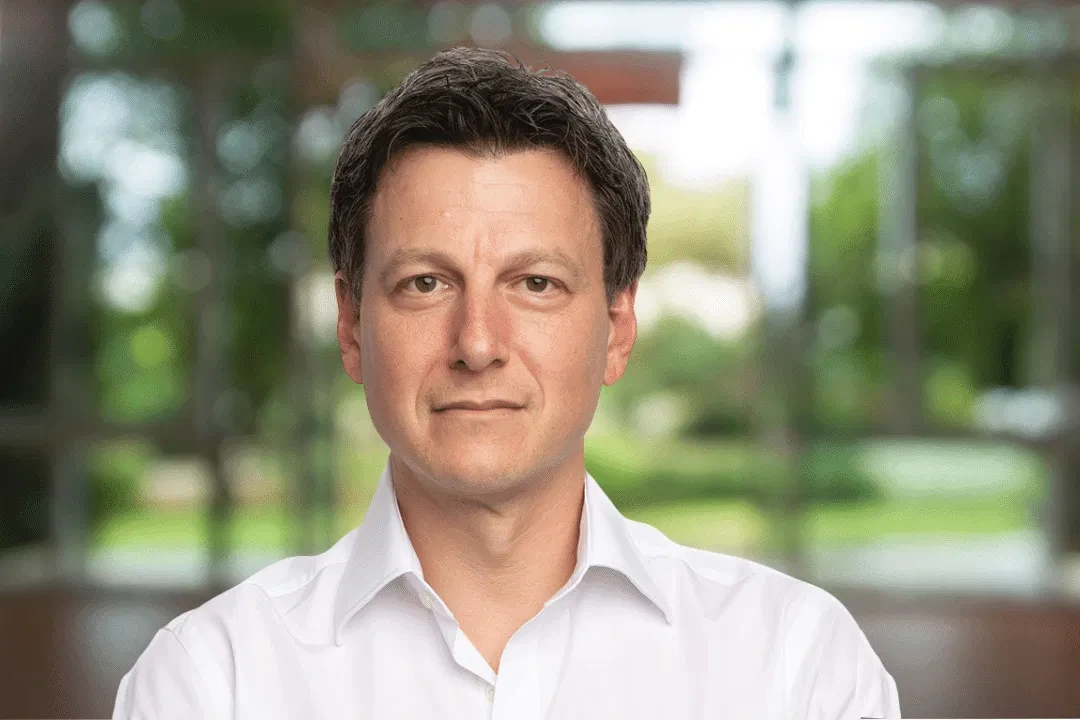
September 11, 2025, Ottawa (ON) – The Board of Directors of the new Canadian Tax Observatory (the Observatory) today announced the appointment of its founding CEO, Heather Scoffield. Her plans for the research and policy centre are ambitious.

“Heather Scoffield has been helping Canadians make sense of the economy for almost three decades,” said Matthew Mendelsohn, Chair of the Board. “It is sometimes hard for non-specialists to understand the nuances and implications of tax policy. I can’t think of any Canadian better placed than Heather to help Canadians make sense of the evidence and understand the implications of tax policy discussions on their own lives and on the ability of the country to meet the moment we face.”

Leading the Canadian Tax Observatory is a logical progression in Scoffield’s career, which has been devoted to driving a vigorous, informed national conversation on economic policy. Previously, she was Ottawa bureau chief at The Canadian Press, the economics columnist and Ottawa bureau chief at the Toronto Star, and most recently senior vice-president of strategy at the Business Council of Canada.

“Our current tax system is overly complicated – the product of so much history and politics over time, with so many unintended consequences, and with rules that are no longer responding to the realities of today’s economy,” said Scoffield. “I aim to drive in-depth research that pulls apart the strands of our current system so that we can thoroughly evaluate where we are and engage Canadians in a broad discussion about how to support economic growth while improving the fairness of Canada’s tax system.”

Over the next six months, the Observatory will connect with researchers in Canada, build alliances globally and develop its research agenda.

“Tax reform is in the air,” said Scoffield. “Before we attack the foundational issues inhibiting growth and fairness in Canada’s tax system, we need to ensure policymakers putting together this fall’s budget hear about the need for an equitable and efficient tax system in response to global uncertainty, tariff fallout and slow growth.”

The Observatory is funded through philanthropic donors, including major contributions from Social Capital Partners and the Euphrosine Foundation.

About the Canadian Tax Observatory

Established in 2025, the Canadian Tax Observatory is an independent non-profit devoted to helping people and policymakers understand the tax system. Through research, public education and collaboration, its goal is to advance a tax system that promotes economic growth, shared prosperity and tax fairness. The founding board of directors includes Chair Matthew Mendelsohn, CEO of Social Capital Partners, Niamh Leonard, Executive Director of Euphrosine Foundation and Jennifer Robson, Professor of Political Management at Carleton University. For more information, please sign up for the organization’s eNews, follow them on LinkedIn or visit them at www.canadiantaxobservatory.ca.

For more information, please contact:

Heather Scoffield, CEO

The Canadian Tax Observatory
heather@canadiantaxobservatory.ca
613-314-1198


Share with a friend

Related reading
New research on the Big Banks and the businesses left behind

The productivity, resilience, inclusive growth and economic sovereignty objectives Canada is trying to achieve are not independent of its financing system. Canada ranks second-worst in the G7 as a place to be an entrepreneur, with 55 per cent of small-business owners saying they would not recommend starting a business here right now. A new SCP report by Michelle Arnold argues that this is not a reflection of the limits of our entrepreneurs, but the limits of our lenders - when it comes to SME financing, what the Big Banks can do is limited by how they're structured. If we want a stronger economy that works for workers, communities and small businesses, we need a financial system diverse enough to serve them.

Built to Exclude: Why Canada’s enterprises need a different kind of financing | Report

Canada's enterprise financing system is dominated by big banks that control 93% of banking assets and nearly 80% of SME lending. While stable and respected, they have structural constraints—minimum deal sizes, rigid credit models, collateral requirements—that systematically stop them from lending to a range of viable businesses. The SMEs left behind include businesses looking for small loans, seasonal enterprises, non-profits, cooperatives and rural firms. If we continue to undercapitalize SMEs trying to get off the ground or grow, this will have cascading economic and social consequences. Canada needs alternative financing institutions that operate alongside commercial banking as permanent, scaled infrastructure.

👏 Letting the big W sink in

In the Spring Economic Update, the federal government moved to make the legislative structure and tax incentive for Employee Ownership Trusts (EOTs) permanent. This is amazing news! At Social Capital Partners, we are grateful that the government has made these changes. Thanks to Prime Minister Mark Carney, François-Philippe Champagne and Ryan Turnbull for understanding the importance of employee ownership. This and more all in one funny-but-factual biweekly read.

Skip to content