
The latest news from Social Capital Partners.
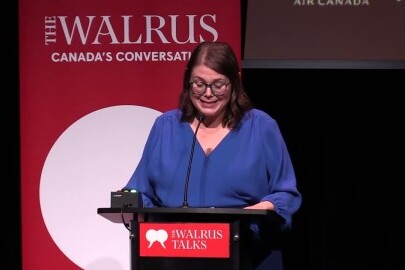
How Private Equity Extracts Value From the Economy | The Walrus Talks
SCP Fellow Rachel Wasserman explains how private equity firms are extracting value from Canadian businesses.

Getting capital into local businesses and communities must be part of Canada’s investment strategy
Getting capital into local businesses and communities must be part of Canada's investment strategy.
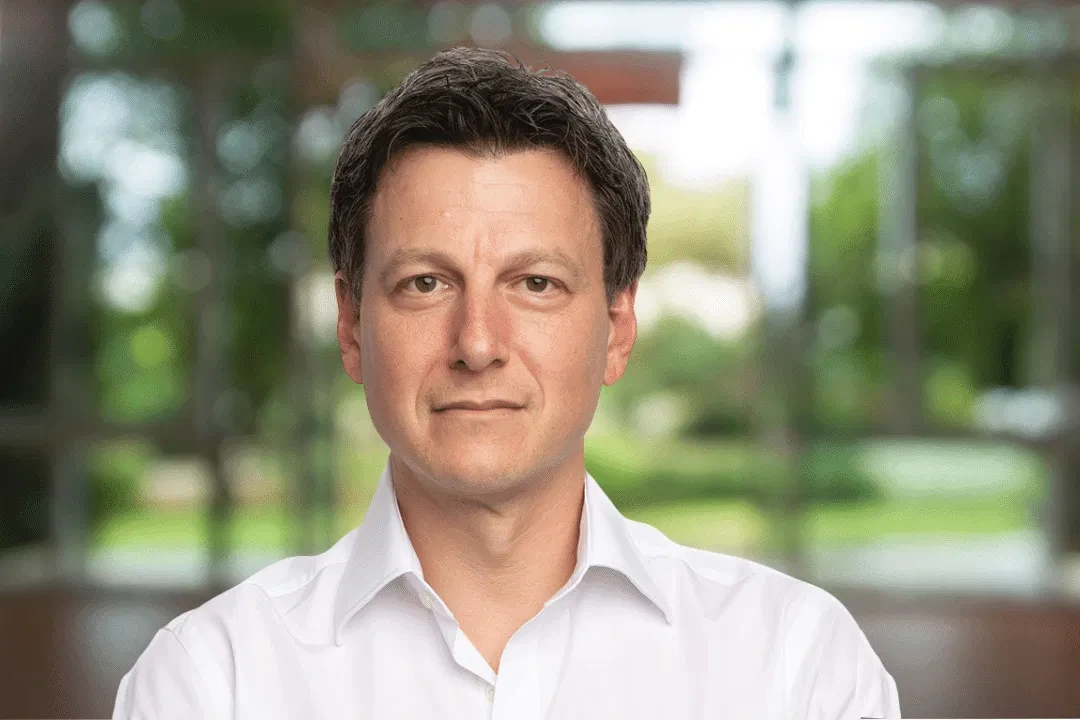
Why Ownership Matters in the Climate Fight: An Interview with SCP Chair Jon Shell | Future of Good
SCP Chair Jon Shell discusses why ownership matters in the climate fight.

Cross Check: What are we fighting for? (Ep. 8) | Stephen Marche, Jon Shell and Vass Bednar
Stephen Marche, Jon Shell and Vass Bednar discuss the season two finale of The Gloves Off Podcast.

Cross Check: How Canada Beats Tech Influence (Ep. 7) | Stephen Marche, Jon Shell and Vass Bednar
Stephen Marche, Jon Shell and Vass Bednar discuss the second half of a two-parter on tech sovereignty.

Cross Check: How Canada Wins at Tech (Ep. 6) | Stephen Marche, Jon Shell and Vass Bednar
Stephen Marche, Jon Shell and Vass Bednar break down the details of "How Canada wins at tech"

Cross Check: How Canada Wins at Defence (Ep. 5) | Stephen Marche, Jon Shell and Vass Bednar
Stephen Marche, Jon Shell and Vass Bednar break down the details of "How Canada wins at defence"

Cross Check: How Canada’s Economy Can Thrive (Ep. 4) | Stephen Marche, Jon Shell and Vass Bednar
Stephen Marche, Jon Shell and Vass Bednar break down the details of "How Canada's Economy Can Thrive"

Cross Check: How Canada Wins at Trade (Ep. 3) | Stephen Marche, Jon Shell and Vass Bednar
Stephen Marche, Jon Shell and Vass Bednar break down the details of "How Canada Wins at Trade".

Cross Check: How Canada Wins at Alliances (Ep. 2) | Stephen Marche, Jon Shell and Vass Bednar
Stephen Marche, Jon Shell and Vass Bednar break down the details of "How Canada Wins at Alliances".
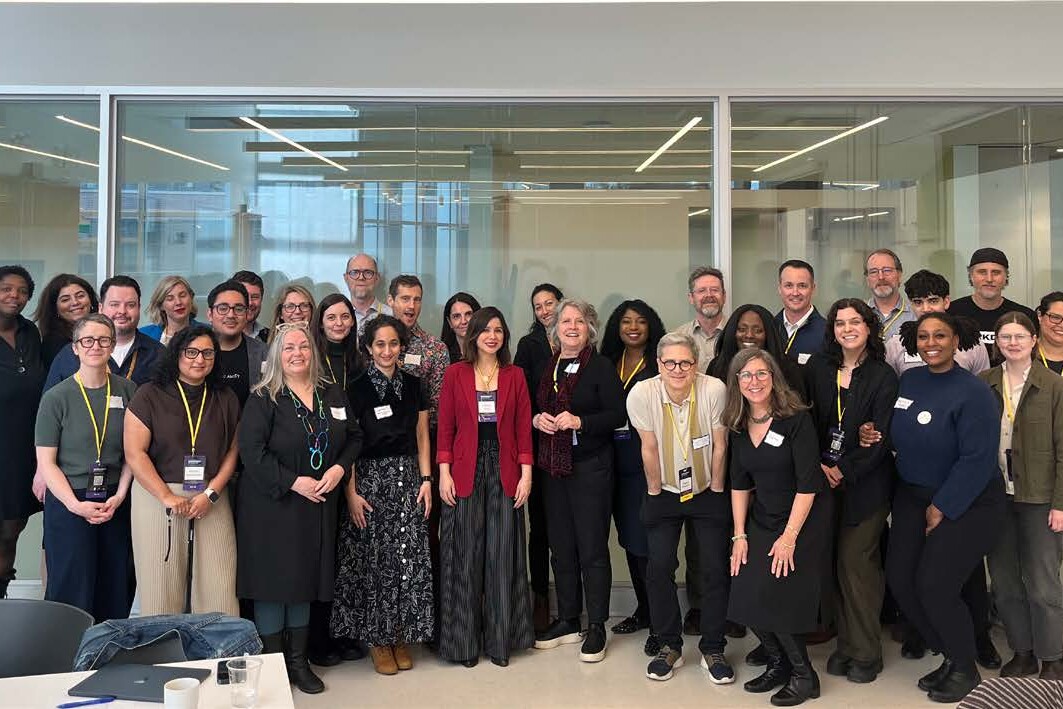
How we can build an economy that works for communities
How we can build an economy that works for communities, plus taking our gloves off and getting more capital to Canadian SMEs.

Cross Check: The Rupture (Ep. 1) | Stephen Marche, Jon Shell and Vass Bednar
Stephen Marche, Jon Shell and Vass Bednar do a deep dive on episode one of the new season of Gloves Off.

🇨🇦 💪Strengthening the ownership agenda
What's next for the ownership agenda, how to get more capital to SMEs and why ownership matters.

🏦 The banks can’t do everything
A new report by SCP Policy Manager Michelle Arnold, Built to Exclude: Why Canada's enterprises need a different kind of financing.
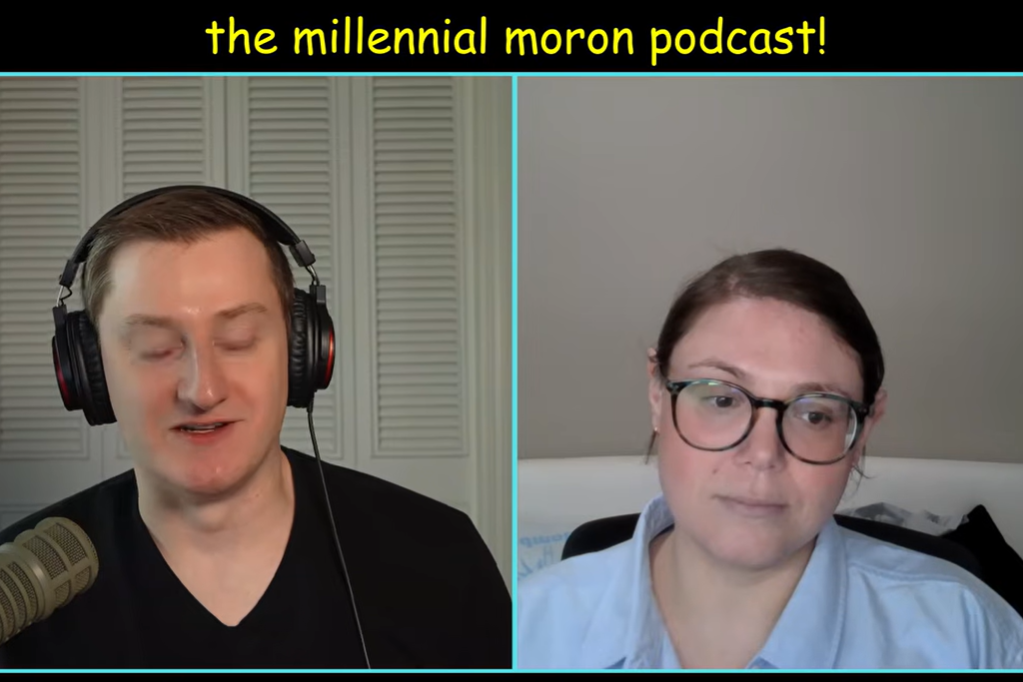
Private equity, the productive economy and pensions | Rachel Wasserman on The Millennial Moron
SCP Fellow Rachel Wasserman joins the The Millennial Moron Podcast to explain how private equity works, why returns in private markets are not as good as they seem and how you can push your pension fund to invest in the productive economy.

👏 Letting the big W sink in
In the Spring Economic Update, the federal government moved to make the legislative structure and tax incentive for Employee Ownership Trusts (EOTs) permanent. This is amazing news! At Social Capital Partners, we are grateful that the government has made these changes. Thanks to Prime Minister Mark Carney, François-Philippe Champagne and Ryan Turnbull for understanding the importance of employee ownership. This and more all in one funny-but-factual biweekly read.

Watch the video: Should pension funds help build Canada’s future? | TVO’s The Rundown
TVO's The Rundown convened a discussion about whether Canadian pension funds should increase domestic investments versus investing internationally. The video segment examines the risks and rewards of using Canadian pension capital for nation-building projects, highlighting that Canadian pension funds managed nearly $2.5 trillion in assets by the end of 2024, but a large portion is invested outside of Canada. Panelists Matthew Mendelsohn and Keith Ambachtsheer discuss whether funds should focus solely on financial returns or also on contributing to Canada's economic growth.

Why Canada should back employee ownership trusts for the long term | TheFutureEconomy.ca
Established in 2024, Employee Ownership Trusts (EOTs) allow business owners to sell their companies to a trust held on behalf of employees, keeping firms in Canadian hands, building worker wealth and strengthening local communities. Jon Shell makes the case for EOTs in TheFutureEconomy.ca. With a temporary capital gains tax exemption set to expire in 2026, he and other advocates are urging the federal government to make the incentive permanent before momentum stalls.

How Employee Ownership Trusts keep wealth in Canada | Canadian Business
The coming wave of business successions will shape Canada’s economy for generations. In Canadian Business, Jon Shell explains how employee ownership safeguards economic sovereignty, while boosting growth, productivity and local wealth, giving employees struggling with affordability a new source of income. As entrepreneurs and owners seek alternatives to selling abroad, the employee ownership trust (EOT) provides a practical answer. Instead of letting the EOT tax incentive expire at the end of 2026, now is the time for the government to double down on employee ownership.

Watch the video: The risks and benefits of opening up private markets to everyday investors
The Ontario Securities Commission wants to give retail investors access to private markets. But as Rachel Wasserman tells BNN Bloomberg, when you look closely, it starts to look less like democratization and more like offloading risk onto people with the least power to absorb it. Private equity is already underperforming and PE's biggest historical champions are quietly reducing their exposure. This proposal to offer retail investors access to PE stands to benefit the asset managers and intermediaries, with everyday investors bearing the costs and risks.

A youth employment supplement could rebalance Canada’s generational divide | Policy Options
Canada is overdue for a broader debate on intergenerational fairness and how our taxes and benefits support—and exclude—different age groups. As Kiran Gill and Matthew Mendelsohn explain in Policy Options, we continue to live with programs designed by baby boomers to provide security to seniors, even if those seniors are well off. Meanwhile, young adults in our country face challenges entering the labour market, securing stable employment and saving to build some measure of economic security in the face of rising costs. They propose a policy designed to make the economy work for younger Canadians—a youth supplement to the existing Canada Workers Benefit. This youth employment supplement—aptly coined a YES!—could help rebuild financial security and allow younger adults to buy homes, finance education for themselves or their children and save for the future.
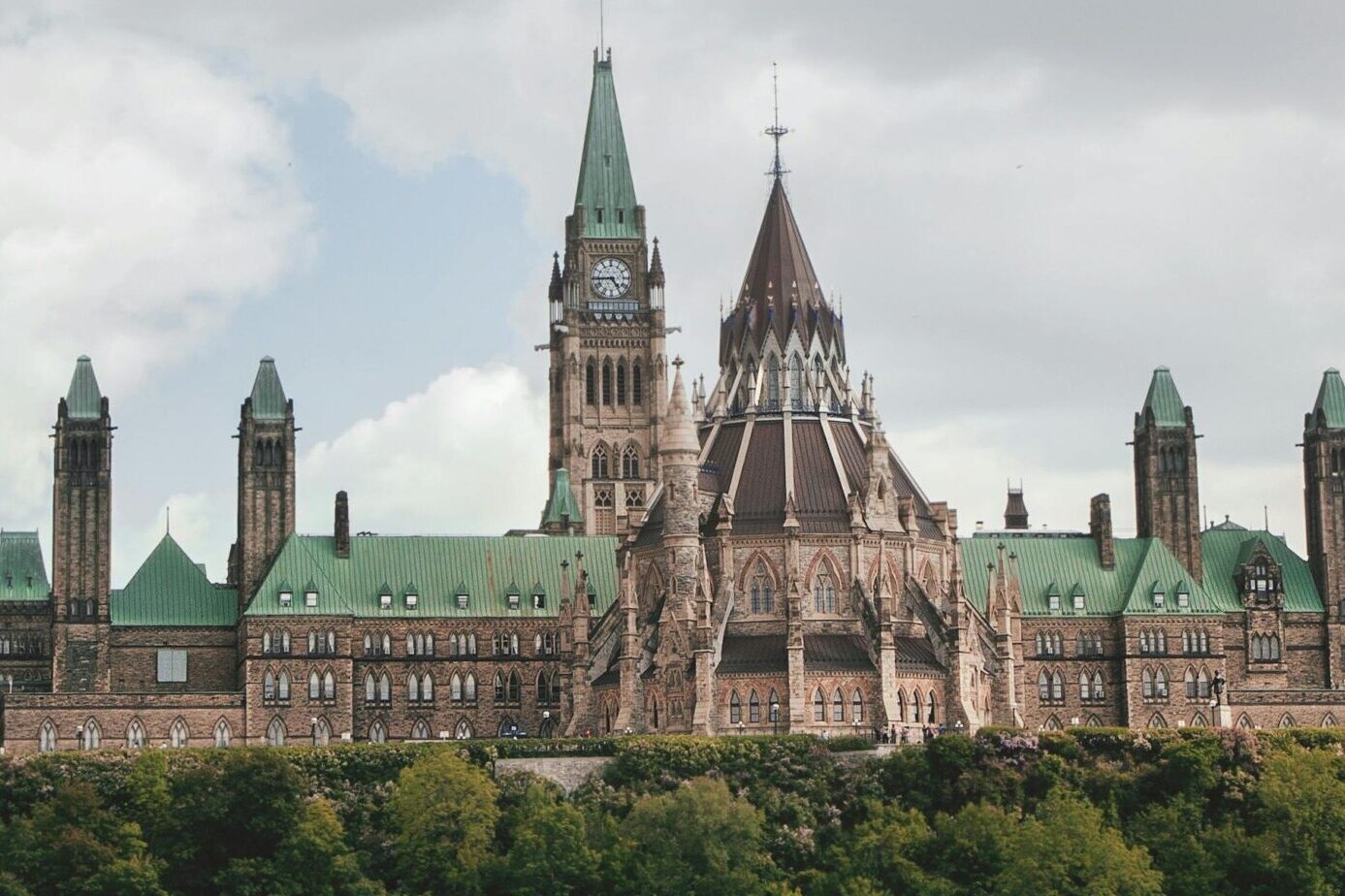
Advocates urge Ottawa to extend ‘no-brainer’ tax incentive for employee ownership | CTV News
The federal government first proposed tax changes to facilitate employee ownership trusts in 2023. One of the key measures included in the fall economic statement that year offers a $10-million capital gains tax exemption to owners who sell their companies to their employees through the trust mechanism. But, as CP's Craig Lord writes, that exemption was only planned for three years and is set to expire at the end of 2026, unless the federal government moves to extend the measure. Advocates for employee ownership trusts say letting the tax exemption expire would undercut the model before it’s given a chance to shine.

How to get single family homes out of the hands of investors | Toronto Star
About 1.3 million homes in Canada that could be family-owned are held by investors—mostly individuals. In The Star, Matthew Mendelsohn, the Missing Middle Initiative's Mike Moffat and Jon Shell explain how a simple tax change could finance new rental construction while also freeing up homes for families to buy. The policy would temporarily allow investors to defer capital gains taxes if they reinvest proceeds into new purpose-built rentals. Many policy changes are needed to fully address the complex Canadian housing crises, and this could be one that puts Canadian capital to more productive uses.

How intergenerational inequality threatens trust in democracy | Policy Options
Our political leaders must be willing to make difficult tradeoffs to rebalance policies toward the young and away from older Canadians, write Jean-François Daoust, Liam O'Toole and Jacob Robbins-Kanter in Policy Options. The broader economic picture for younger Canadians offers little hope, and economic frustration is shown to run hand-in-hand with political alienation. As intergenerational inequality persists and deepens, Canada risks experiencing an even sharper decline in trust in its democratic institutions than what already exists. Building affordable housing and supporting young families are essential first steps in a much-needed generational reset that puts fairness at the centre of Canadian political life.
Smith School of Business launches new Employee Ownership Research Initiative
Smith School of Business at Queen's University is launching Canada's first-ever research initiative focused on deepening Canada’s knowledge and understanding of a powerful succession model that can enhance outcomes for owners, employees and communities: employee ownership.

Could increased employee ownership restore confidence in Canada’s economy? | The Hub
As companies consolidate under ever larger pools of private capital, there’s growing unease around who’s actually benefiting from corporate growth. Falice Chin writes in The Hub that it’s no coincidence, then, that voices across the political spectrum are now revisiting models of employee ownership as a potential antidote to widening wealth inequality, fading community ties and a growing distrust in capitalism itself. This deep-dive looks at how employee ownership trusts, or EOTs, could be an elegant policy remedy to a crisis of confidence in the modern economy.

Pipelines and algorithms aren’t going to save us | The Hill Times
Smart investments in natural resources and AI alone will not get us through this moment of geopolitical rupture. As Matthew Mendelsohn writes in an op-ed for The Hill Times, SMEs contribute just over half of Canada’s GDP and employ 64 per cent of our people. We have to make more low-cost capital available to the smaller businesses, locally owned enterprises, not-for-profits and social enterprises who crucially employ and reinvest locally, act as important local economic infrastructure and provide services that are crucial for well-being. They are automatic stabilizers in the face of tariff threats outside our control.

Creativity could be collateral damage of U.S. film tariff
When U.S. tariffs threaten to strike creativity and culture, we can't afford to stay quiet. SCP Fellow and POV executive director Biju Pappachan explores the implications of the U.S. imposing a tariff on foreign-made films and explains why this is the moment for Canada to stand up for its filmmakers, crews and cultural sovereignty. Film and television are not luxuries; cultural production is a strategic sector that delivers exports, jobs and soft power. Just as we negotiate for agricultural or industrial tariff exemptions, cultural production deserves equal protection.

Budget 2025 should bolster employee ownership to strengthen Canada’s economy | Canadian Dimension
Budget 2025 offers Canada a chance to make employee ownership permanent by extending tax incentives for employee ownership trusts (EOTs) and worker co-ops. In Canadian Dimension, Simon Pek, Lorin Busaan and Alex Hemingway write that doing so would boost productivity, reduce inequality and secure business succession, while keeping jobs and decision-making local. A modest investment promises significant economic and social dividends.

Build, baby, build. Or sell, baby, sell? Canada should reject Sunoco’s takeover of Parkland | Policy Options
Approving a sale of Parkland to Sunoco may be attractive to the government because it would add US$9 billion to Canada’s total foreign direct investment (FDI), which politicians often tout as an indicator of national economic health. But, as SCP Fellow Sarah Doyle and SCP Chair Jon Shell write, total foreign direct investment is not a good reflection of the underlying strength of the economy. Plus, this deal would bring none of the benefits typically associated with FDI. It is unlikely to lead to increased capital investment, more or better jobs, or technology transfer into Canada. In fact, its impact may be just the opposite. If there ever was a deal with almost no Canadian winners, this is it. Ottawa should say no to Sunoco.
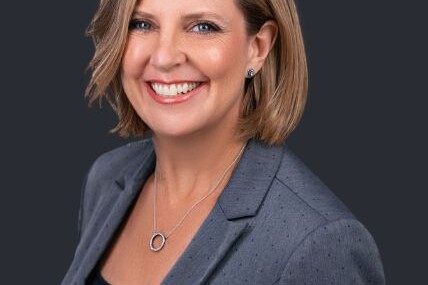
The Canadian Tax Observatory announces Heather Scoffield as founding CEO
Heather Scoffield is founding CEO of a new independent nonprofit Canadian institution created to lead an informed national conversation on the links between taxation, economic fairness and a thriving democracy. Under her leadership, the Canadian Tax Observatory will drive in-depth research that pulls apart the strands of our current system so that we can thoroughly evaluate where we are and engage Canadians in a broad discussion about how to support economic growth while improving the fairness of Canada’s tax system. Over the next six months, the Observatory will connect with researchers in Canada, build alliances globally and develop its research agenda.
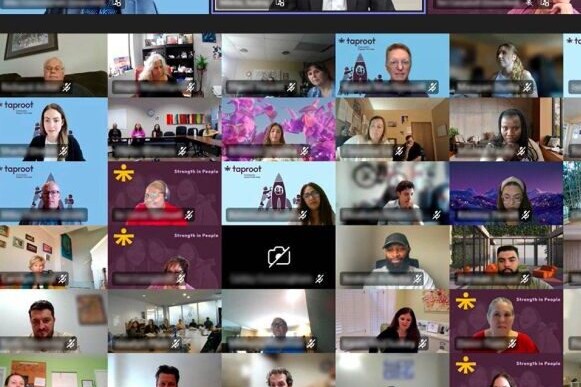
Maple Ridge-based company now owned by its 750 employees | Maple Ridge-Pitt Meadows News
Neil Corbett of the Maple Ridge-Pitt Meadows News reports on locally based Taproot Community Support Services making some business history in Canada. Taproot's 750 employees in B.C., Alberta Ontario will now own 100 per cent of the business, becoming the largest Employee Ownership Trust (EOT) in Canada and the first in the social services sector. Finance minister Francois-Philippe Champagne explains why this is a perfect example of what EOTs can do, calling the trusts "a powerful, timely tool that helps Canadian employees become owners of the businesses they work for, while helping entrepreneurs find the right people to carry their legacy forward."

Taproot becomes Canada’s largest employee-owned trust with 750 workers | The Globe and Mail
On Sept. 2, 2025, B.C.-based Taproot community support services surprised its 750 employees with the news they will become equal owners of the company they helped build. Minister of Finance & National Revenue Francois-Philippe Champagne joined CEO Mike Fotheringham and Social Capital Partners Chair Jon Shell to celebrate the new worker-owners and Canada’s largest Employee Ownership Trust (EOT) to date. In the Globe and Mail, Meera Raman reports on Taproot's milestone and how this succession model keeps companies Canadian, keeps jobs in local communities and builds wealth for workers.

Trump pumps private equity with 401k changes | Breaking Points podcast
Breaking Points podcast correspondent James Li sits down with corporate lawyer, economic analyst and SCP Fellow Rachel Wasserman to discuss Trump's executive order opening up 401k plans to private equity. Trends show that with rising interest rates and frozen exit markets, the private equity investment model could be under serious stress. So, what are the implications of making this type of investment available to retail investors and their retirement plans? Rachel walks James through how private equity works, what's so dangerous about the buyout-PE model and who might get left holding the bag.
The problem with GDP per capita | West of Centre on CBC
New research by economist and SCP Fellow Gillian Petit estimates what Canada’s GDP per capita would have been over the past decade if Canada had kept our temporary resident numbers stable. On CBC political podcast West of Centre, host Rob Brown asks Petit to dissect the metric politicians love to wield. GDP measures total output, while GDP per capita divides that sum by the population. She explains that the simple math offers an easy snapshot, but can mislead when used alone. For a true read on prosperity, Petit argues Canada needs a broader economic dashboard that weighs productivity, fairness and long term well being.

How do we not go broke? | Gloves Off Podcast
What happens when a Canadian toy company, a global trade war and the unraveling of American stability collide? Charting in the top 10 on Apple Podcasts, the new Gloves Off podcast talks to Zita Cobb of Fogo Island Inn and Jon Shell of Social Capital Partners about what comes after the collapse of business as usual. Listen for bold ideas on how Canada can prevent getting stuck playing America’s game—and losing.
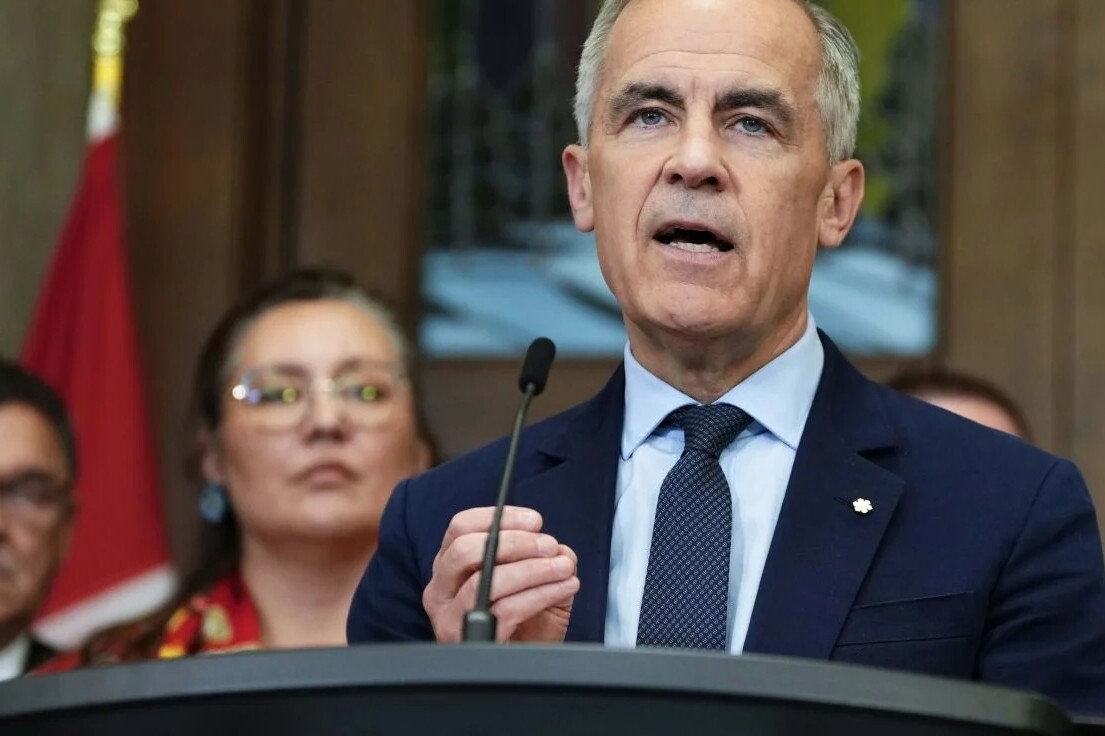
Mark Carney’s economic agenda misses something vital | Toronto Star
Prime Minister Mark Carney's campaign focused on economic growth and sovereignty. He talked a lot about how Trump wants to "break us so he can own us," and yet, so far, details of an ownership agenda are pretty thin. The reality is that Canadians cannot be "masters in our own home" if the home is owned by a U.S. hedge fund. Broadly distributed, local Canadian ownership of our economy and our assets must be a central part of our economic growth strategy. In the Toronto Star, SCP CEO Matthew Mendelsohn writes that he sees some early, positive signs of such a plan coming from the federal government and spells out what a real ownership agenda that serves "the owners of Canada" would look like.
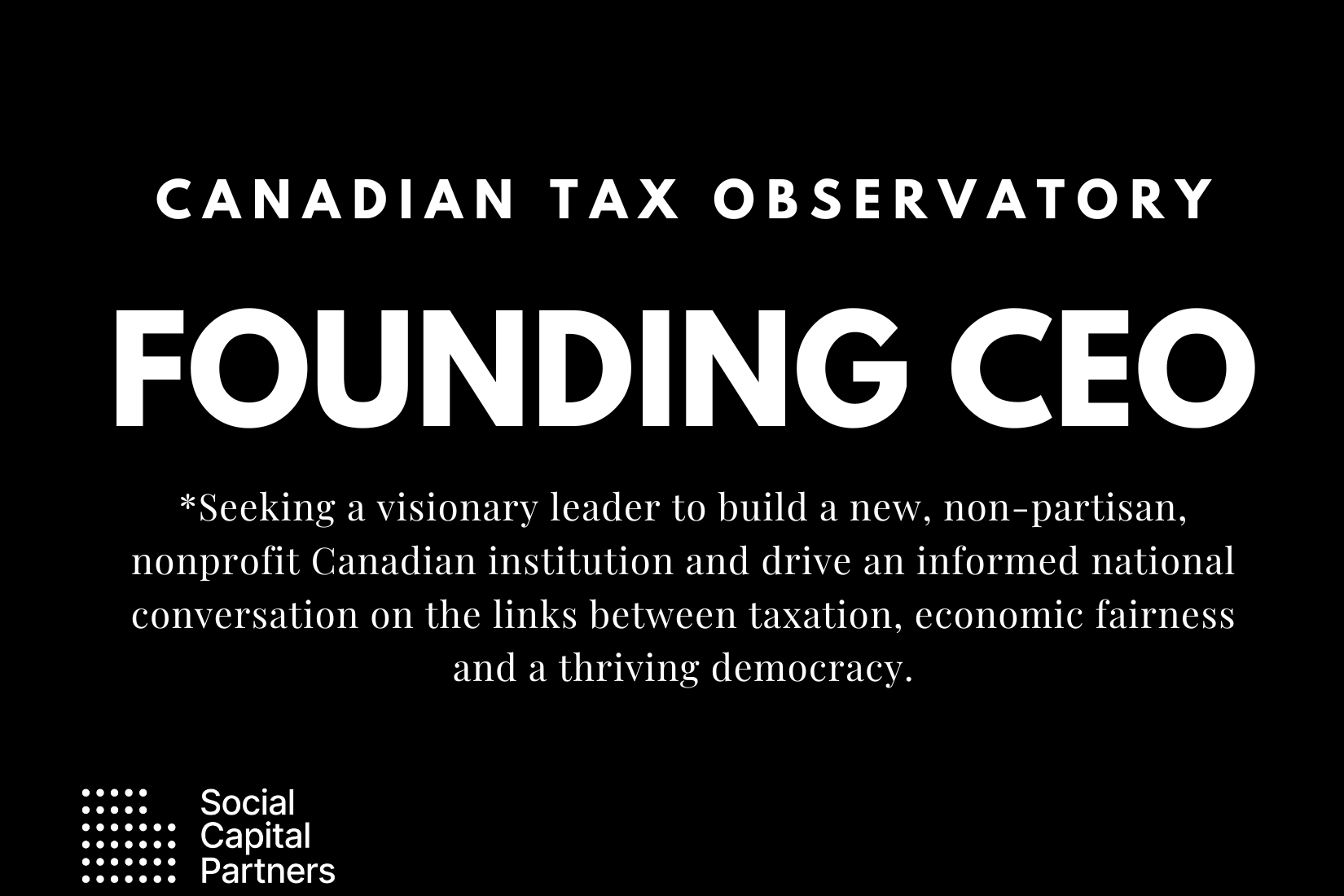
New Canadian Tax Observatory seeks visionary founding CEO
Social Capital Partners and other funders announce a new, non-partisan, nonprofit Canadian organization to lead an informed national conversation on the links between taxation, economic fairness and a thriving democracy. The Canadian Tax Observatory is seeking a visionary leader who can shape and grow a permanent, influential Canadian institution connected to global networks identifying better, more effective ways to achieve tax fairness.
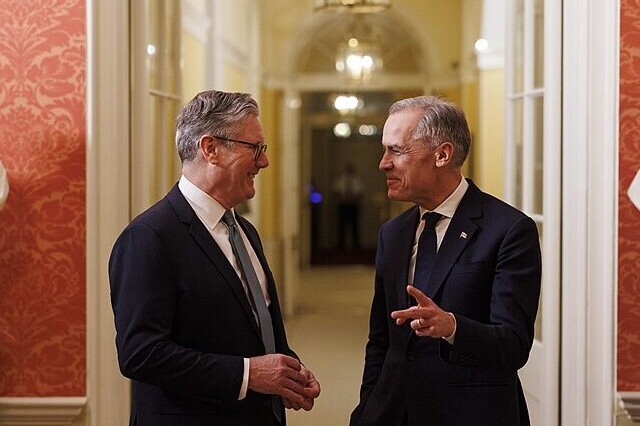
A new middle-power alliance would give Canada leverage and Canadians hope
Canada should lead the world’s middle powers in a collective and overdue weaning from American primacy by establishing a grand new security and economic alliance. As SCP Chair Jon Shell argues in The Hill Times, ten countries including Canada, Australia, France, Germany, Italy, the U.K., Spain, Japan, South Korea and the Netherlands, or the “Core 10," would amount to about the same GDP as the U.S., with significant natural resources, massive buying power - and significant leverage against American economic aggression.
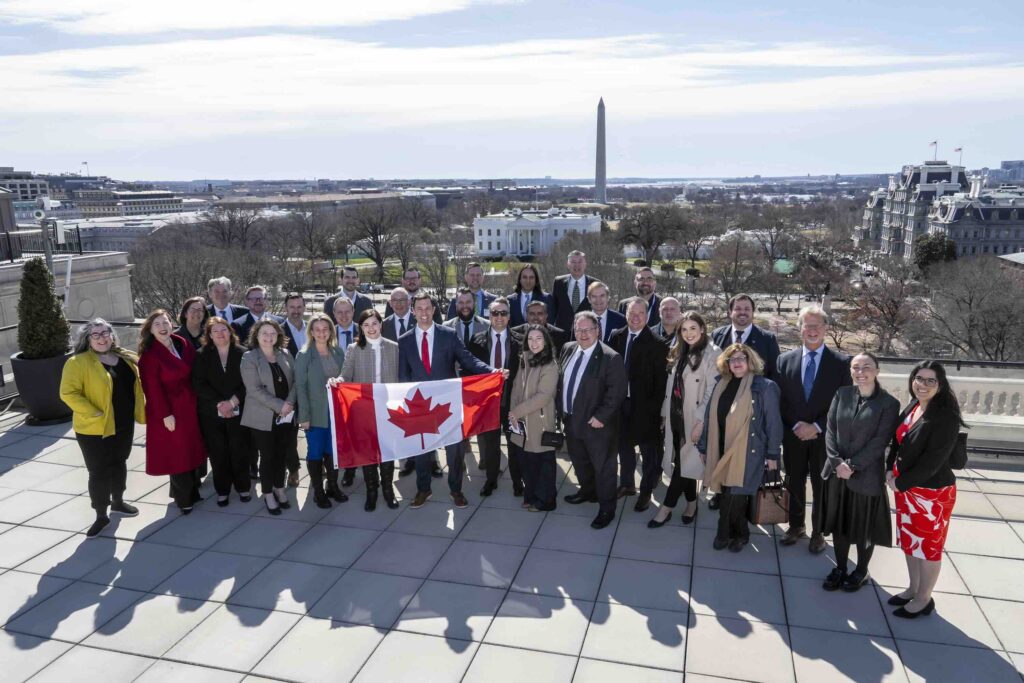
The tariff war means a new normal for Hamilton businesses | Hamilton City Magazine
The wrecking ball that Donald Trump has taken to international trade has wounded relations between Hamilton businesses and their American suppliers and customers, reports Eugene Ellman in Hamilton City Magazine. Now, they’re looking east and west to replace traditional links to the south and pushing back. When Trump started pontificating about how Canada should become the 51st state and claiming the United States was subsidizing its northern neighbour, SCP Founder Bill Young and the team responded with Always Canada. Never 51 - part economic populism mixed with methodical policy-making, the series is devoted to the issues of wealth inequality and Canadian sovereignty.

Letting private equity buy law firms may stifle service, mobility | Bloomberg Law
If we allow for private equity ownership of law firms, it isn’t unreasonable to expect a similar result as we are seeing in other professions—lower quality of service and work for clients and lower job satisfaction for lawyers. In an op-ed for Bloomberg Law, SCP Fellow Rachel Wasserman of Wasserman Business Law outlines why law firms should decentralize, not consolidate, to provide good service and keep lower overhead.

Mark Carney passed a tough test in Washington. He now faces an even tougher one at home | Toronto Star
We predicted that American investors would be looking to buy up Canadian businesses and assets, and that this would threaten our national security and economic sovereignty. Now Canada has to make a call on whether to kill Texas-based energy giant Sunoco's takeover of Parkland Corporation. In the Toronto Star, SCP CEO Matthew Mendelsohn and Chair Jon Shell ask: do we want to be owned by American billionaires, to work for them and have our wealth stripped away to pad bank accounts in New York and Dallas? If we really want Canada to remain ours, they argue, then we need to think and act like it.
These Canadian millionaires are asking for tax increases—but just for themselves | CBC News
CBC News profiles new advocacy group Patriotic Millionaires Canada who say their organization is looking for broad changes to wealth taxes and capital gains in this country. The group says it believes lower-income citizens often pay tax on much of their income, while wealthier investors can leverage dividends, investments and capital gains to change what they pay and how. Chair Claire Trottier asks: when are we going to recognize that massive growing runaway wealth inequality is a danger to democracy?"
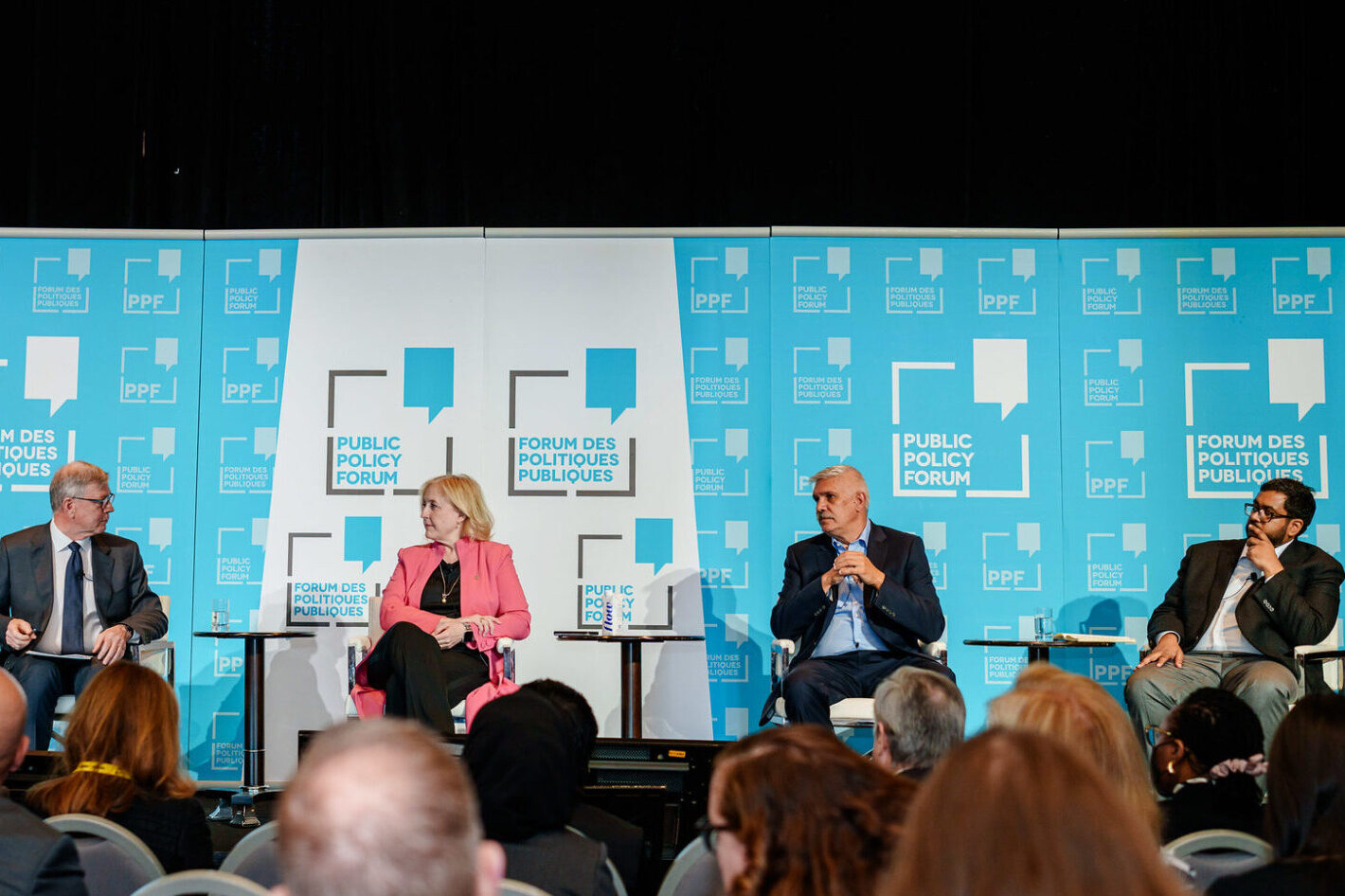
Ten ways to unleash Canada’s potential | Public Policy Forum
As Trump’s mercurial tariff mandate unleashes market mayhem and geopolitical unease, Canadians have galvanized—buying local, putting the maple leaf on everything, ratcheting our elbows way up. Over the course of a dozen sessions at Public Policy Forum’s 2025 Canada Growth Summit, more than 40 speakers, including SCP's CEO Matthew Mendelsohn, put forward a series of smart, actionable ideas for how governments, businesses, policymakers and communities can work together to advance our collective fortunes.

Hands Off: Investing in employee ownership can ensure Canadian businesses stay Canadian | ImpactAlpha
While Canada’s policymakers try to figure out how to make the Canadian economy less vulnerable to Trump’s whims, many Canadian businesses are going to look like a good deal for American investors. A weak Canadian dollar, low interest rates and expected liquidity challenges create the conditions for an acceleration of private equity-led buyouts of Canadian firms. In ImpactAlpha, SCP's CEO Matthew Mendelsohn explains how, as Canada faces Trump’s mercurial and predatory approach to trade and economic policy, employee ownership can offer much-needed stability and resilience.
New Canadian Tax Observatory seeks visionary founding CEO
Social Capital Partners and other funders announce a new, non-partisan, nonprofit Canadian organization to lead an informed national conversation on the links between taxation, economic fairness and a thriving democracy. The Canadian Tax Observatory is seeking a visionary leader who can shape and grow a permanent, influential Canadian institution connected to global networks identifying better, more effective ways to achieve tax fairness.
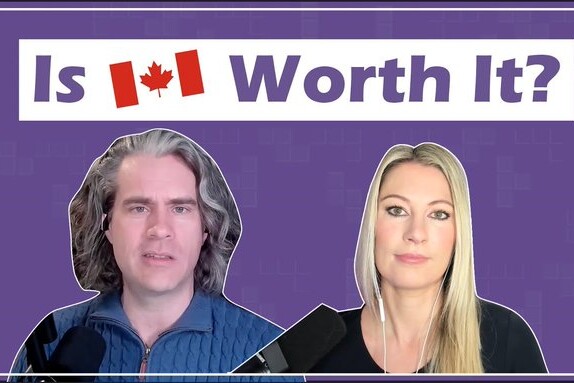
Are young people giving up on Canada? | Missing Middle Podcast
Sabrina Maddeaux and Michael Moffatt explore how the inability to afford housing not only affects individuals but also poses systemic risks to the Canadian economy and society. They delve into the implications of economic vulnerability, the talent exodus to the U.S. and the growing disconnection among younger generations, emphasizing the urgent need for a cohesive housing policy that addresses these interconnected issues to ensure a stable and resilient future for Canada.

How employee ownership can help secure Canadian sovereignty | The Calgary Herald
With Canada’s sovereignty at stake, we must invest in every approach to keeping Canadian businesses in Canadian hands. If we match the U.K.'s success in incentivizing employee-ownership conversion, we would see 300 Canadian companies sold to their workers each year. SCP Chair Jon Shell and Employee Ownership Canada CEO Michael Ras explain how very few policies promise as powerful an outcome.

Canada’s economic vulnerabilities show why it must invest in the wealth of local communities | The Conversation
For Canada to build a more resilient economy, we must secure local assets, democratize the economy and ensure wealth circulates within communities rather than being extracted by distant, corporate interests. In The Conversation, SCP Fellow Audrey Jamal and Heather M. Hachigian write that a promising solution lies in community wealth building.

Canada needs a new civil defence corps | The Tyee
If Canada were to build a civil defence program on the scale of those in Sweden or Finland, the numbers would be game-changing. As MASS LBP principal Peter MacLeod lays out in The Tyee, Canadians must be prepared to defend our sovereignty and citizens have roles to play.

Trump’s tariff threats expose Canada’s internal monopoly problem | Policy Options
Trump’s tariff threats have opened the door for economic thinking that pushes Canada way past business as usual. In Policy Options, Executive Director of the Canadian Anti-Monopoly Project Keldon Bester argues that, from airlines to banks, fixing Canada’s competition problem starts with smarter domestic reforms.

The strength within: Some economists say we can’t count on fair and open trade with the U.S. anymore. Is it time for Canada to look inward instead? | Toronto Star
When U.S. President Donald Trump threatened to launch a full-blown trade war with its closest ally, many Canadians felt as if their best friend had suddenly turned around and stabbed them in the back. The Star spoke with economists, academics and other experts, including SCP CEO Matthew Mendelsohn, about how the country should best navigate this new era of Trump's isolationism, and found there are realistic steps we can take to reduce our dependence on the States.

Inside the corporate battle over your pet’s health | The Fifth Estate
SCP Fellow Rachel Wasserman speaks with CBC's Steven D'Souza as part of an investigation into the skyrocketing cost of owning a pet. The documentary reveals how independent vet clinics are being gobbled up by multinational corporations and private equity for profit.
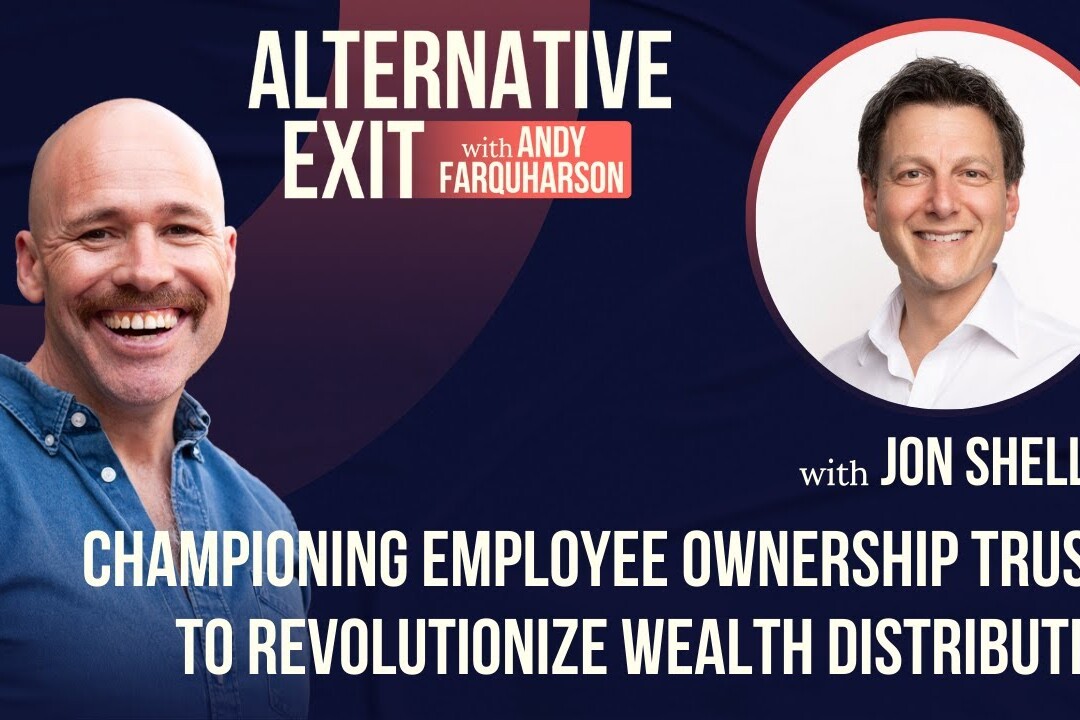
The Alternative Exit podcast: Championing Employee Ownership Trusts to revolutionize wealth distribution
SCP Chair Jon Shell sits down with Andy Farquharson on The Alternative Exit Podcast to explore the transformative potential of employee ownership. Jon recounts how he advocated for Employee Ownership Trusts (EOTs) in Canada to address wealth inequality and business succession. He talks advantages of EOTs, from preserving a company’s legacy to fostering economic resilience in the workforce and reshaping both business culture and wealth distribution.
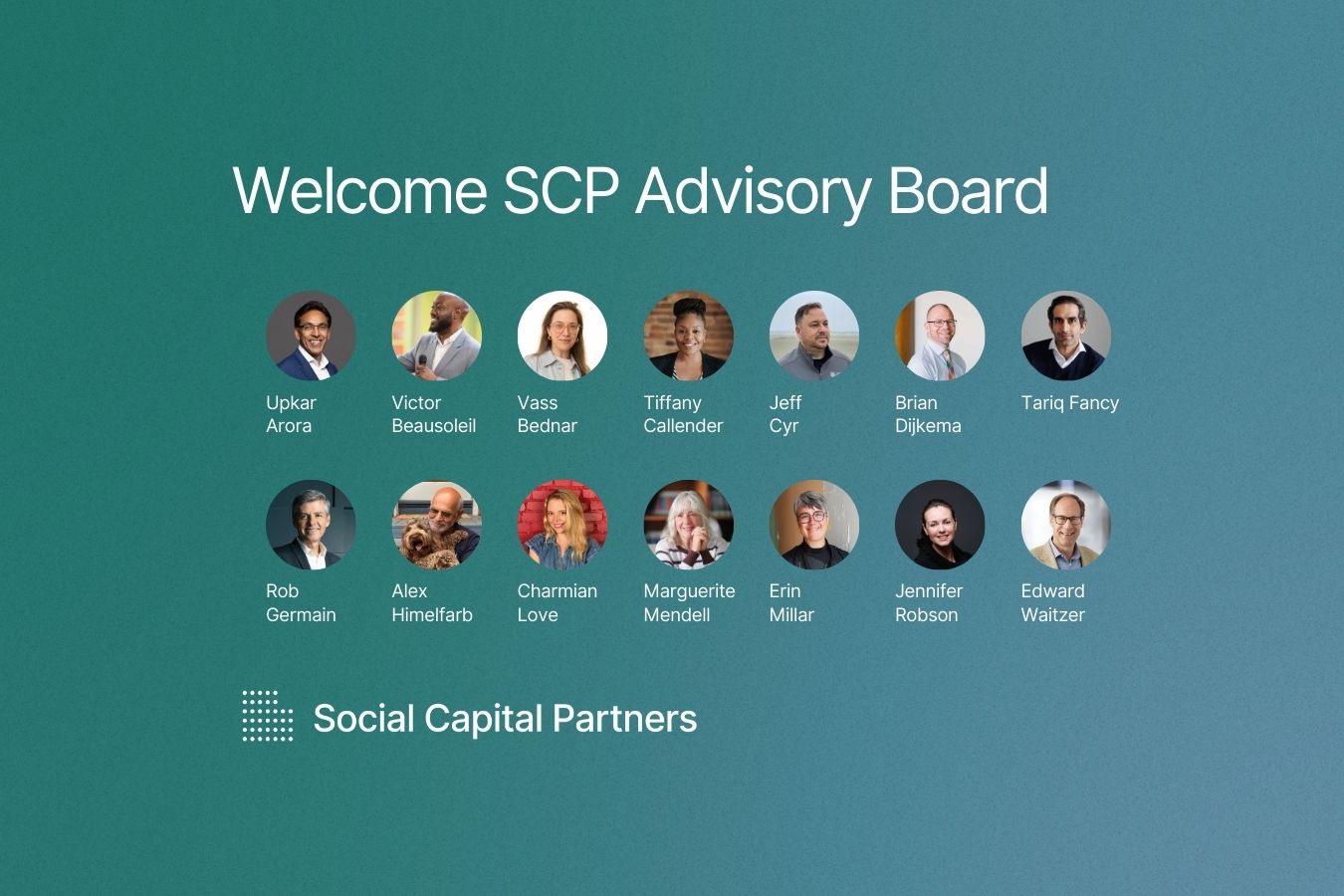
Social Capital Partners appoints slate of new advisors
Advisory Board members will advise on SCP’s strategy and agenda, drawing on decades of experience across finance, business, government, public policy, communications, civil society and community economic development.

Why small businesses need rent control
Rising rents are pushing mom-and-pop shops off Canada's streets. In Canadian Business, Aaron Binder and SCP Fellow Liliana Locke (née Camacho) from the Better Way Alliance argue new commercial tenant protections are the answer.

At the corner of Main Street and Purpose: Rethinking small businesses by rethinking who owns them
Is alternative ownership the future of business in Canada? Shane Gibson from Future of Good reports on how converting to a non-profit, establishing an Employee Ownership Trust, or becoming a co-operative can help a small business become more sustainable, ensure job security and retain wealth within the community.
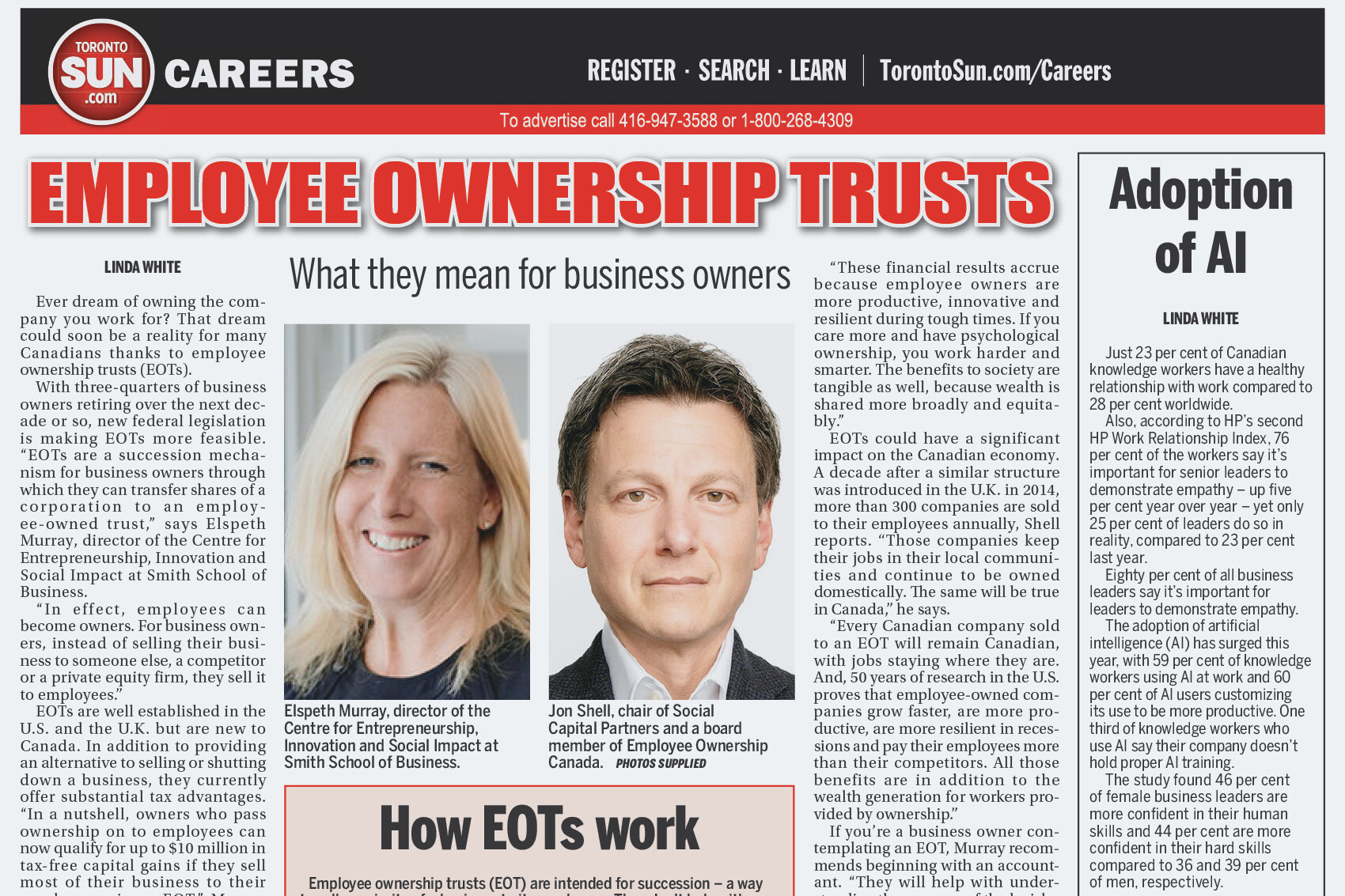
Employee ownership trusts explainer | Toronto Sun
SCP Chair Jon Shell in the Toronto Sun on what Employee Ownership Trusts mean for business owners, the community and the broader economy

Employee Ownership Trusts make it easier for Canadian businesses to share wealth with employees
When outside interests take over a small or medium business, it's often purchased then closed, leaving holes in the community. Future of Good reports on how new laws could encourage more retiring business owners to sell to their employees through Employee Ownership Trusts. EOTs help businesses stay local and contribute to employee retention and financial wealth.

Budget 2024 unleashes unprecedented opportunities for employee ownership in Canada
After four years of research, engagement and advocacy, the federal government has finalized the legislative and tax structure for Employee Ownership Trusts (EOTs). Social Capital Partners and the Canadian Employee Ownership Coalition are grateful for the government's careful work to make EOTs an attractive option for business owners.
Unlocking the potential of employee ownership in Canada
In the US and the UK, employee-owned companies grow faster, pay better, are less prone to lay-offs or bankruptcies in economic downturns, and are more likely to keep jobs in local economies. Due to supportive public policy, EOTs are a popular structure for business succession in those countries and have generated significant wealth for front-line employees. Canada does not have a business structure comparable to the employee ownership trust (EOT).

Social Capital Partners releases new report on wealth inequality in Canada – concludes that official statistics significantly underestimate the problem
This new report critically analyzes Canada’s flagship wealth survey, the Survey of Financial Security (SFS), and outlines how its methodological shortcomings lead to significant underreporting of wealth inequality.

Social Capital Partners appoints Matthew Mendelsohn as new CEO
Social Capital Partners announces the appointment of Matthew Mendelsohn as its new CEO, effective January 2, 2024. Jon Shell, SCP’s current Managing Director will become SCP’s Chair.

Taylor Guitars’ transitions to 100% employee ownership with support from the Healthcare of Ontario Pension Plan (HOOPP) and Social Capital Partners (SCP)
In a transaction that would be impossible for a Canadian company, the owners of North America's largest builder of acoustic guitars secure a sustainable future for their company and its employees.

Ontario launches rate drop rebate in London
Ontario is launching an innovative partnership with financial institutions to help businesses in London grow and increase employment opportunities for people with disabilities and facing other barriers. Through the new Rate Drop Rebate program, small- and medium-sized businesses that hire eligible people can receive discounted rates on financial products, such as loans. The rebate is made possible through funding from Ontario's two-year, $4-million Community Loans Fund.

Ontario financial institutions and government join forces to boost local businesses and do good in communities
Rate Drop Rebate™ pilot is expected to significantly impact those facing barriers to employment include students with limited work experience, long-term unemployed, older unemployed, people with disabilities, newcomers to Canada and unemployed Indigenous persons. The program aims to generate up to 1,100 new employment opportunities.
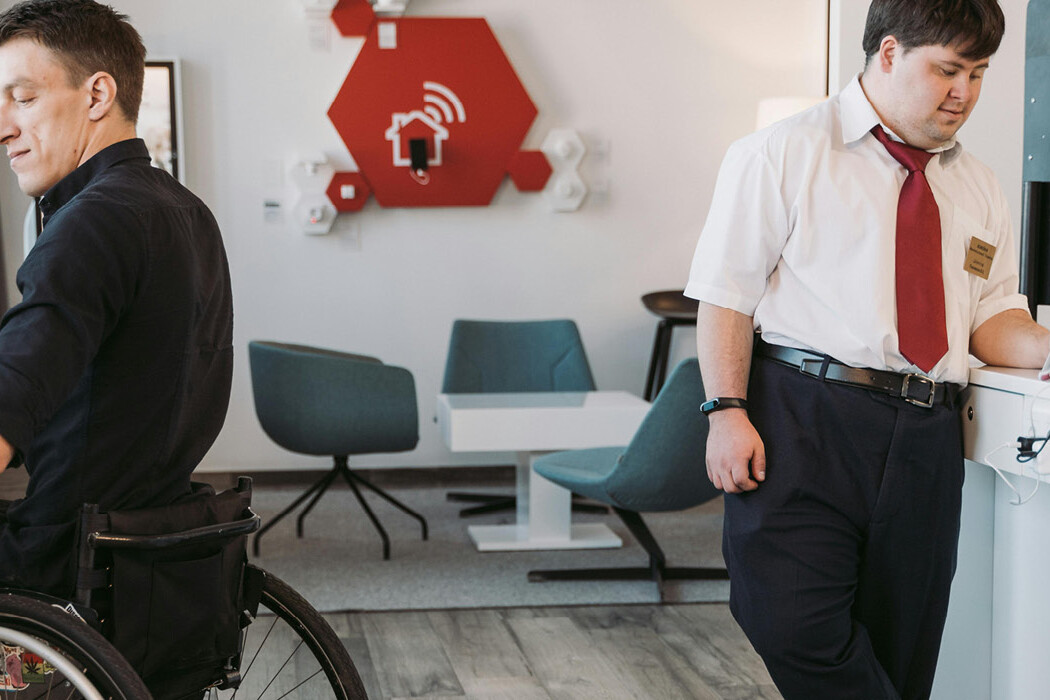
Ontario improving employment opportunities for people facing barriers
Ontario is partnering with leading financial institutions to build on Social Capital Partners existing loan program and create a fund aimed at increasing employment opportunities for people facing employment barriers.

Social Capital Partners and Ontario Government to begin consultations with Canadian financial institutions for a Community Loan Pilot Project
Social Capital Partners announces innovative collaboration with the Government of Ontario designed to explore a novel social finance approach that provides employment opportunities for people with disabilities and other vulnerable populations.

Social Capital Partners’ collaboration with the Ontario Ministry of Economic Development, Trade and Employment
Social Capital Partners collaborates with Ontario government’s Office of Social Enterprise to explore a pay-for-performance model that will increase access to employment opportunities for persons with disabilities, new Canadians and other traditionally disadvantaged groups.