

By Dan Skilleter | Part of our Special Series: the Ownership Solution
While it never cracks their Top-10 lists of policy asks, small-business groups and local chambers of commerce have for years been beating the drum of concern over the impending retirement of a massive cohort of baby-boomer business owners. The CFIB’s seminal 2023 report, Succession Tsunami, looms large in the discourse, with its eye-popping statistics of 76% of owners planning to exit over the next decade, with only 10% having a succession plan.
However (with the notable exception of Quebec), it’s a topic that governments across Canada have barely lifted a finger on. Which makes Ontario’s recent public foray into this policy space worth paying attention to.
Last week, Ontario unveiled their plan to implement Budget 2024’s commitment to invest $1.9 million over three years to establish a business succession planning hub. Its newly launched website, SuccessionOntario.ca, helps owners understand their options and funnels them towards a local Small Business Enterprise Centre (SBEC) for tailored advice and services.
They’ve decided to target so-called “micro businesses” and, from what I understand, a lot of the money is going into training and resources for SBEC staff across the province. The average business owner they’re targeting is of a generation that prefers in-person meetings to internet modules—so this approach makes sense.
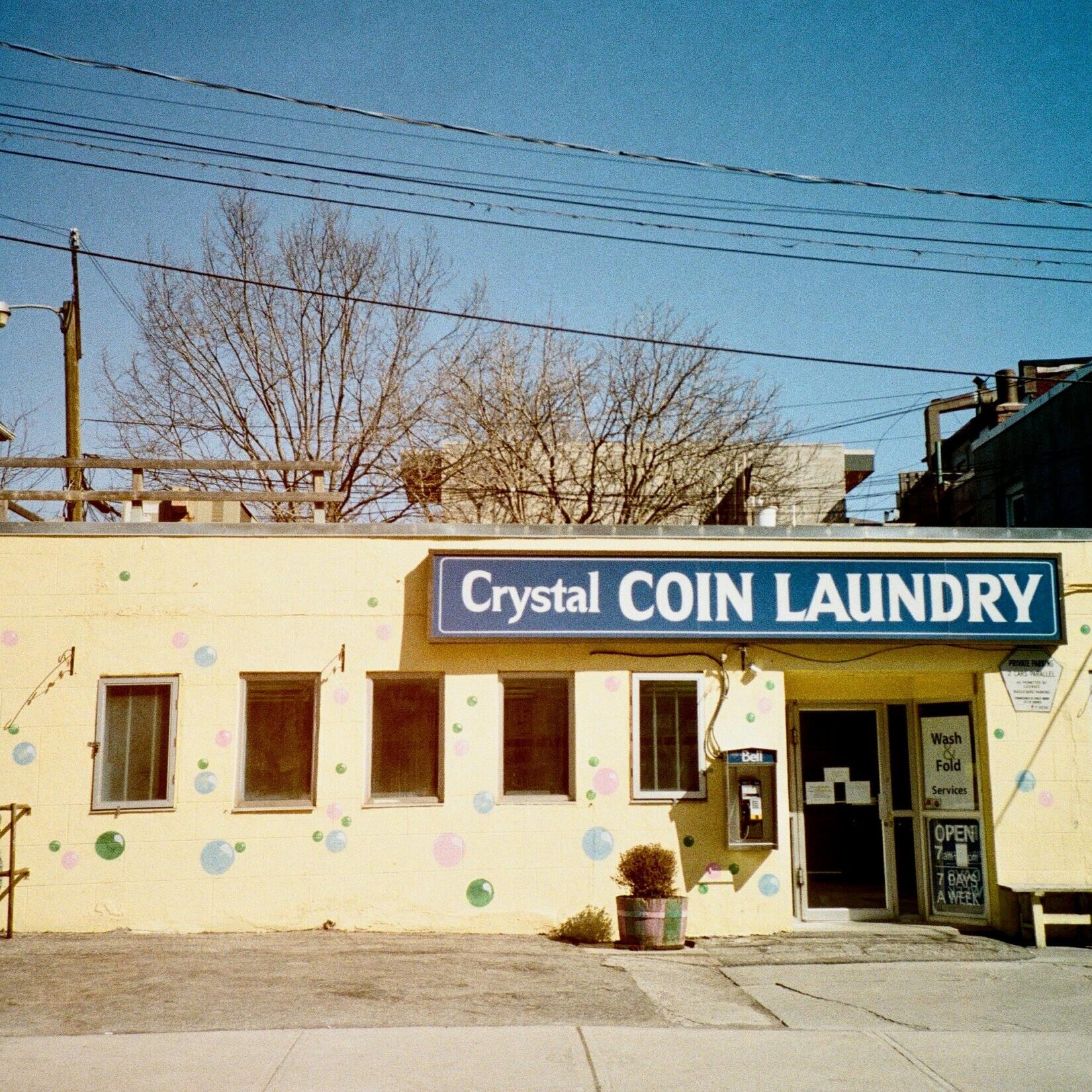
A couple of interesting things.
First, it was a welcome surprise to see the succession hub’s focus on employee ownership. Featured prominently as the second ‘exit option’ for owners, it’s a strong sign that Canada’s relatively new Employee Ownership Trust (EOT) is breaking through. The EOT is a policy near and dear to my heart, and one I’ve been helping to support the policy design and advocacy of for years. Seeing Ontario recommend it to owners casually alongside options like intergenerational transfer is a sign that it’s becoming mainstream. [1]
Second, the government has adopted an all-too-familiar approach to its problem definition. They view the succession issue as too many business owners without the time, information or know-how to begin their exit planning before it’s too late. Success looks like owners engaging in succession planning early and finding a buyer willing to pay market rate. Any buyer will do.
While important, their framing is single-mindedly focused on the retiring business owner. It overlooks the outcomes for everyone else after the dust has settled. There’s a wide array of buyers out there, each with different implications for the future of the company, its workers and the local community where the company’s located. A foreign private equity firm is a very different new owner than a young entrepreneur, or the employees of the company itself.
The government’s policy lens should be expanded and include a broader commitment to the ongoing resilience, growth and sovereignty of the economy—its slogan is Protect Ontario, after all.
The amount of money Ontario has put into this so far is miniscule, but I take it as a positive signal that succession has finally reached the coveted podium of ‘policy file’ within the bureaucracy.
In 2026, expect Social Capital Partners to spend a lot more of its time working with governments like Ontario on building out the research and ideas to ensure Canada has the right sort of policy infrastructure to withstand the oncoming tsunami.
[1] For those of you who aren’t familiar, the EOT is new federal policy that is tailor-made to help business owners to sell their companies to their employees. For an overview, this is a good start.
Share with a friend
Related reading

Are Canadian pension funds stepping up for Canada at this moment of threat? All signs point to maybe
Large Canadian pension plan OMERS announced earlier this week that it will attempt to increase its investments in Canada by $10B over the next five years. This is a good sign, says SCP CEO Matthew Mendelsohn, but announcements and good intentions will not be enough. The incentive structure for fund managers, and the allocation of resources across asset classes and geographies, will need to change if pension funds are able to deliver on what their contributors and beneficiaries expect of them.

Watch the video: Should pension funds help build Canada’s future? | TVO’s The Rundown
TVO's The Rundown convened a discussion about whether Canadian pension funds should increase domestic investments versus investing internationally. The video segment examines the risks and rewards of using Canadian pension capital for nation-building projects, highlighting that Canadian pension funds managed nearly $2.5 trillion in assets by the end of 2024, but a large portion is invested outside of Canada. Panelists Matthew Mendelsohn and Keith Ambachtsheer discuss whether funds should focus solely on financial returns or also on contributing to Canada's economic growth.

Tied Up: Unleashing Canada’s non-profit housing potential
Canada’s non-profit housing sector is structurally constrained. Well-intentioned accountability mechanisms, designed to protect public investment and ensure affordability, often have the unintended effect of limiting balance-sheet capacity, restricting access to financing and preventing asset leverage. Consequently, the non-market housing sector remains underdeveloped. In consultation with stakeholders and partners in the non-profit housing space, report authors Michelle Arnold and Savraj Syan identify three technical issue fixes that could unleash Canada's non-profit housing potential.