
By Matthew Mendelsohn | Part of our Special Series: The Ownership Solution
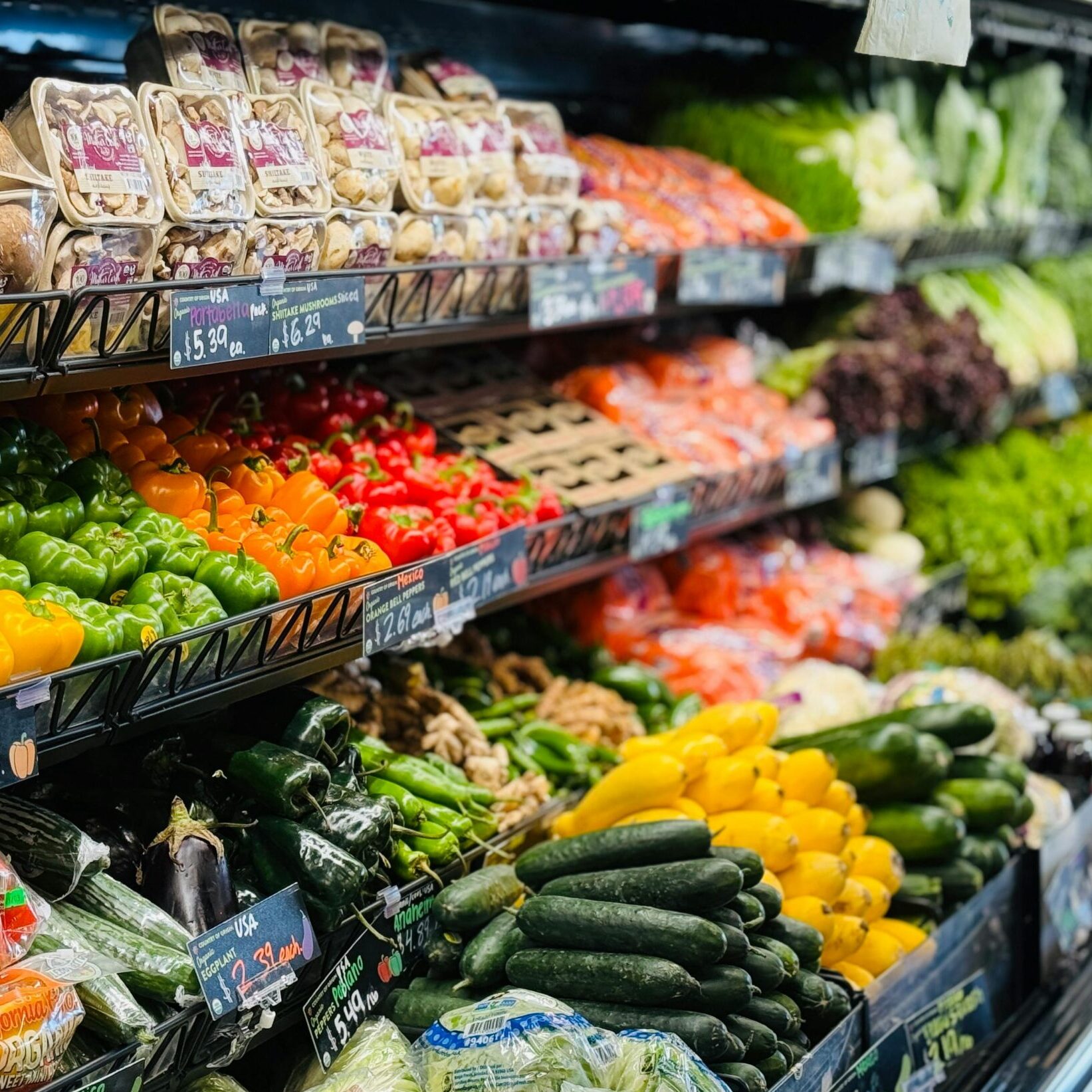
Food is too expensive in Canada. There are many reasons, but one is certainly the oligopolistic control of our food markets—in retail groceries, but elsewhere in the food supply chain as well.
Governments at all levels are aware of this and have indeed tried various approaches to deal with the cost of essentials.
The Canada Grocery Code, a set of written but voluntary rules designed to bring greater fairness, transparency and predictability to the Canadian grocery supply chain, may have some impact. Investments in the security of the supply chain may help Canada withstand shocks. And the National School Food Program, which has a target of providing school meals to 400,000 more kids per year, should deliver real results.
A variety of general income support measures have been introduced or increased to help support modest income Canadians deal with rising costs, including for food.
The most important initiative is reform to competition law and create a more empowered Competition Bureau.
We will have to wait to say what the real-world impacts of all these efforts are.
But the federal government hasn’t confronted some of the structural forces within their control that lead to higher food prices. A big one is excess profit taking by our grocery giants and their use of their market power to overcharge Canadians for essentials.
The evidence is very clear that we experienced “sellers’ inflation” during COVID—large grocery chains and others taking advantage of the disruption and confusion in the market to raise prices out of proportion with their increased costs. This same kind of inflation-of-choice is likely to take place again during the current energy crisis.
Canada’s grocery chains make profits way out of line with their global peers. The international evidence for this is clear.
And Canadians feel it—the data are clear that, since COVID, food inflation has spiked.
So, I’m really excited about the City of Toronto moving forward to pilot public grocery stores and investigate algorithmic pricing. As City of Toronto Mayor Olivia Chow said on March 27th, “this could go a long way to making life more affordable withy more competition to drive down costs, helping households save more and eat better.”
A case could be made to move more aggressively, but a pilot is a good way to gather information and experiment with small changes first and then adjust and scale as we learn what works.
How will they be designed? Can they be delivered effectively? Would it be better if it was city run or run by some other community ownership structure? How will they integrate with local supply chains? Will they focus on a basket of core staples? I’m not sure.
But there are things I am sure about. I know that what we have been doing is not working. Too many people in Canada—a wealthy, food-producing country—go hungry. It’s simply not acceptable.
I know that the neoliberal economic solutions—let capital set the rules, reduce the role of government in shaping markets and allow big players to consolidate—have delivered us to where we are: many working people in Canada can’t afford an apartment or food.
I also know that publicly owned stores won’t use a crisis and market confusion to raise prices out of line with their increase in input costs in order to deliver high returns to investors.
And I know that governments should try different things to solve public problems. We really are in a moment of geopolitical and economic rupture. The solutions we’ve tried for the past 50 years are unlikely to be the ones that are best moving forward—some of them actually have exacerbated the inequality and affordability crises we’re experiencing.
There is lots of evidence that more public and community ownership of the economy is one part of the solution to the crises we face. We should be open to trying more solutions that don’t come from the neoliberal handbook.
Share with a friend
Related reading

How Private Equity Extracts Value From the Economy | The Walrus Talks
SCP Fellow Rachel Wasserman explains how private equity firms are extracting value from Canadian businesses.

Getting capital into local businesses and communities must be part of Canada’s investment strategy
Getting capital into local businesses and communities must be part of Canada's investment strategy.
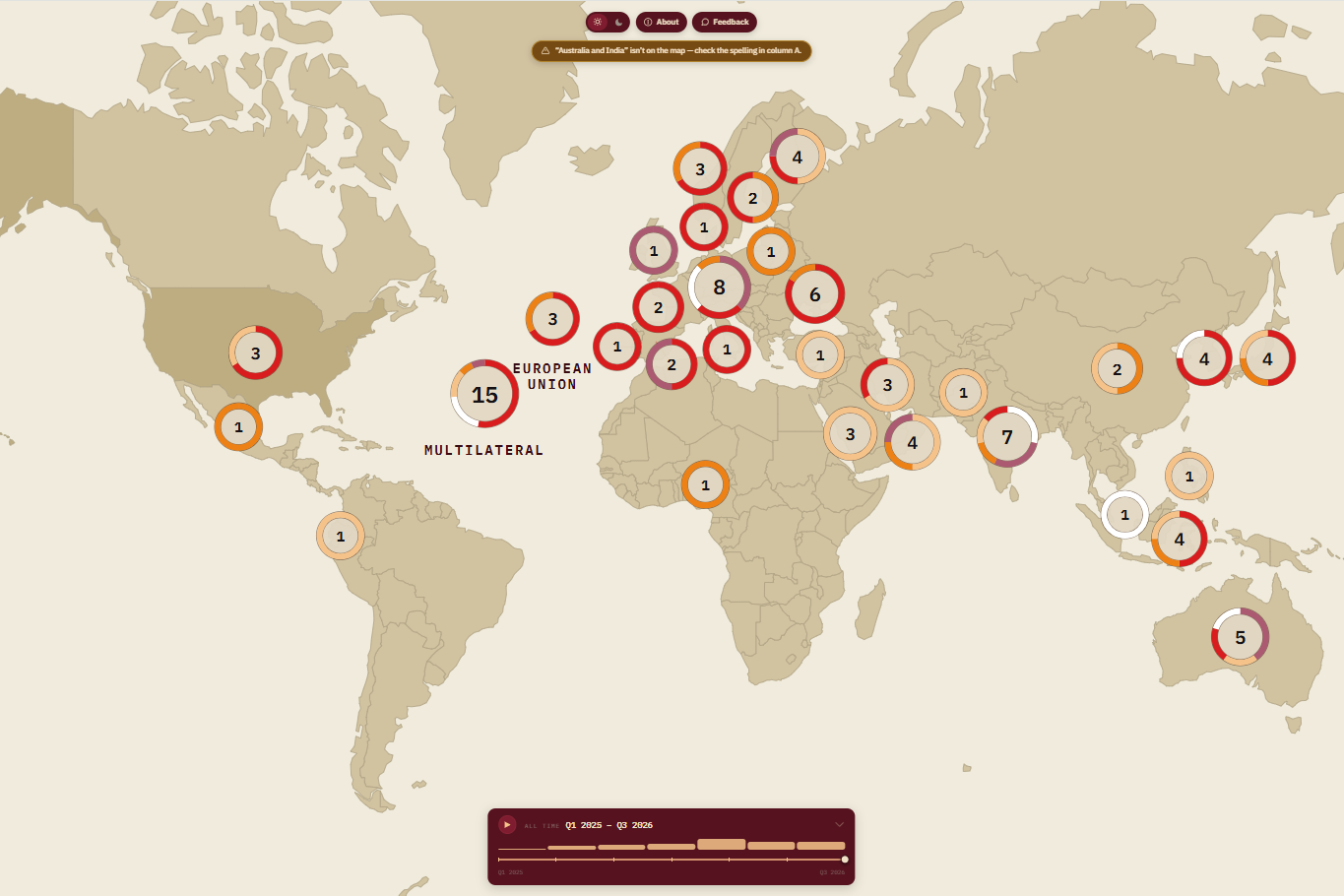
Mapping Canada’s Variable Geometry
In partnership with the Canadian Shield Institute and the Gloves Off podcast SCP built a map of Canada's new international agreements.