

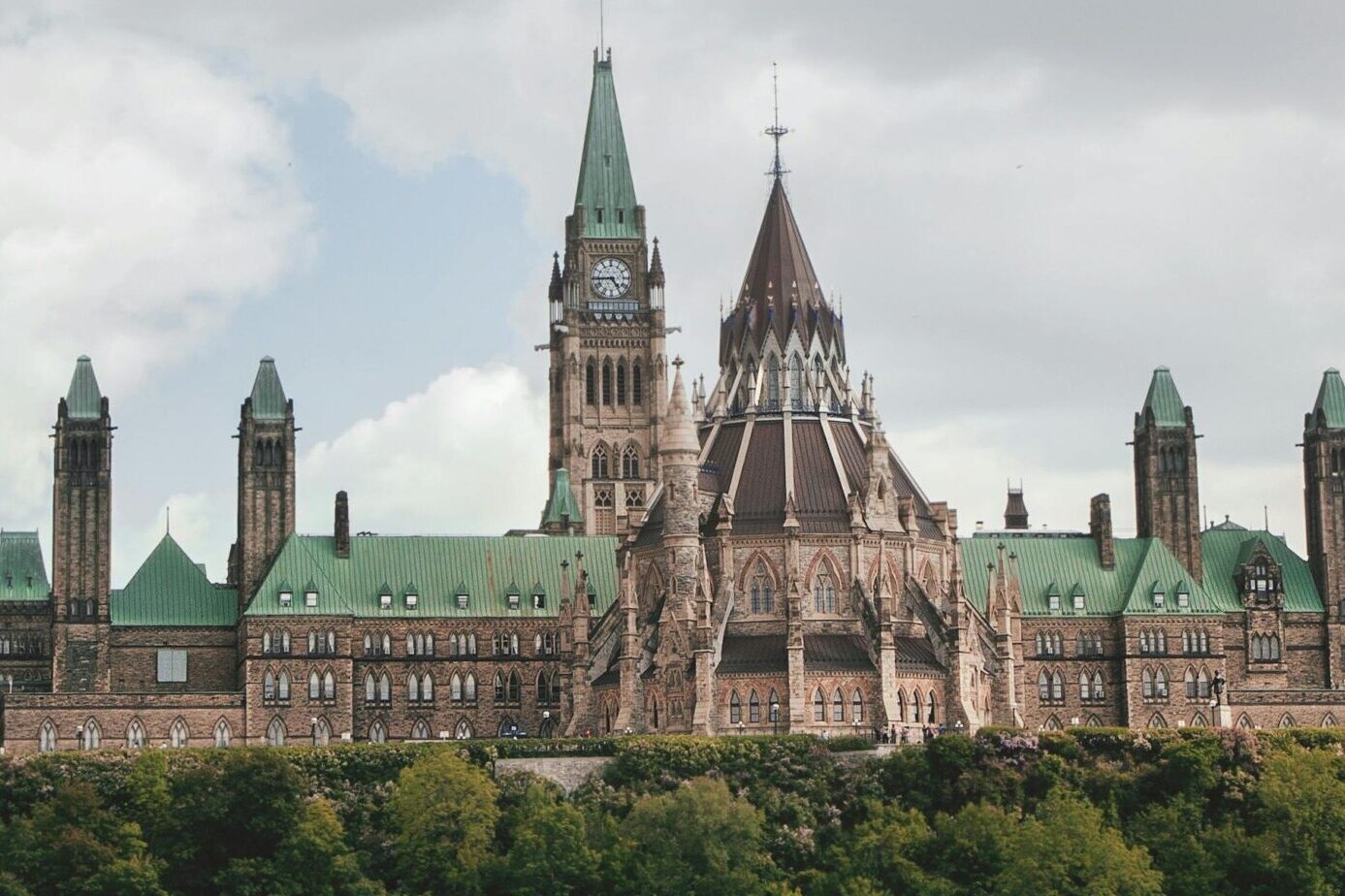
As the federal government sets out to “build, baby, build,” do we want to own or be owned?
As our new government pursues growth and a nation-building agenda, we should remember this lesson from history: too often, we build and invest, only to sell off our assets and resources to the highest foreign bidder, leaving us economically vulnerable. In this moment of extreme peril, SCP CEO Matthew Mendelsohn asks how we should “build, baby, build” in a way that doesn’t merely accelerate the trends towards consolidation of wealth and deeper economic dependence. Canada has everything we need to emerge stronger from this period of geopolitical disruption if we put economic sovereignty and broad access to wealth-building at the heart of our agenda.
Innovate? In this economy? With these profit margins?
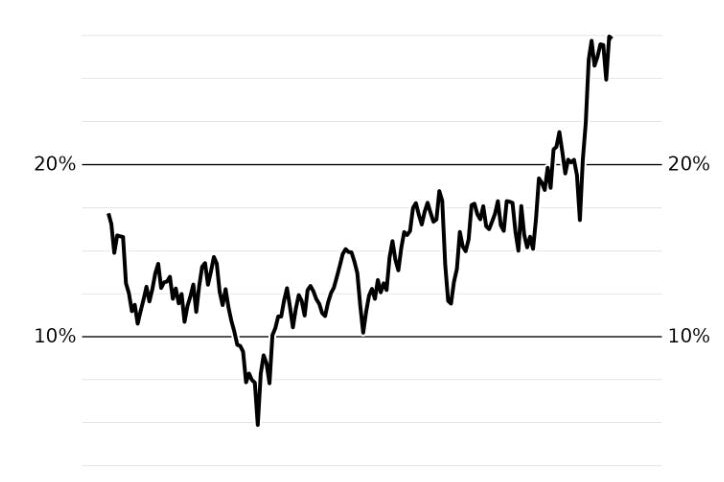
Canadian businesses are immensely profitable, but businesses simply haven't been reinvesting in them. As Tom Goldsmith writes in Orbit Policy's Deep Dives, the financialization of Canada’s economy and the high levels of rent extraction that accompany it are barriers to innovation. We are impoverishing ourselves over the long term to support short-term financial gains. If we care about innovation and productivity, then we need to focus far more critical attention on corporate Canada.

Letting private equity buy law firms may stifle service, mobility | Bloomberg Law
If we allow for private equity ownership of law firms, it isn’t unreasonable to expect a similar result as we are seeing in other professions—lower quality of service and work for clients and lower job satisfaction for lawyers. In an op-ed for Bloomberg Law, SCP Fellow Rachel Wasserman of Wasserman Business Law outlines why law firms should decentralize, not consolidate, to provide good service and keep lower overhead.

Mark Carney passed a tough test in Washington. He now faces an even tougher one at home | Toronto Star
We predicted that American investors would be looking to buy up Canadian businesses and assets, and that this would threaten our national security and economic sovereignty. Now Canada has to make a call on whether to kill Texas-based energy giant Sunoco's takeover of Parkland Corporation. In the Toronto Star, SCP CEO Matthew Mendelsohn and Chair Jon Shell ask: do we want to be owned by American billionaires, to work for them and have our wealth stripped away to pad bank accounts in New York and Dallas? If we really want Canada to remain ours, they argue, then we need to think and act like it.

These Canadian millionaires are asking for tax increases—but just for themselves | CBC News
CBC News profiles new advocacy group Patriotic Millionaires Canada who say their organization is looking for broad changes to wealth taxes and capital gains in this country. The group says it believes lower-income citizens often pay tax on much of their income, while wealthier investors can leverage dividends, investments and capital gains to change what they pay and how. Chair Claire Trottier asks: when are we going to recognize that massive growing runaway wealth inequality is a danger to democracy?"
Canada’s Liberal party will face down Trump. But will it address inequality? | Truthout
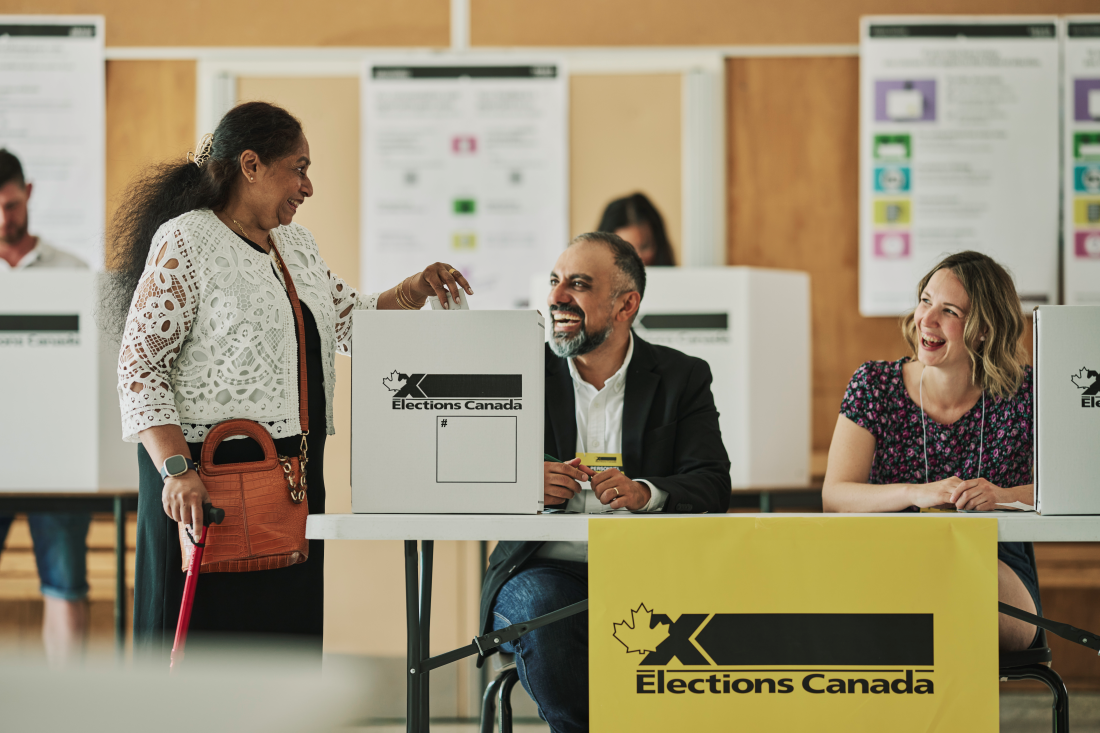
Prime Minister Mark Carney has a monumental task to lead Canadians through the turmoil of a second Donald Trump term, while also addressing various crises: affordability, housing, toxic drugs and health care, to name a few. For Truthout, Nora Loreto interviewed SCP Fellow Silas Xuereb about the crises that loomed over Canada's recent federal election and one fundamental cause that was never clearly identified: concentrated corporate power.

School meals aren’t just good for kids: they can also be good for industry
Scaling up access to school meals through Canada's National School Food Policy is a big win for children and families. As SCP Fellow Sarah Doyle and SCP Advisor Alex Himelfarb outline, the program could also be a win for agrifood businesses, the climate and workers, contributing to a more resilient, just, sustainable and less dependent Canadian economy. The key is an ambitious and strategic approach to food procurement—one that shifts the focus from minimizing price to maximizing public value.
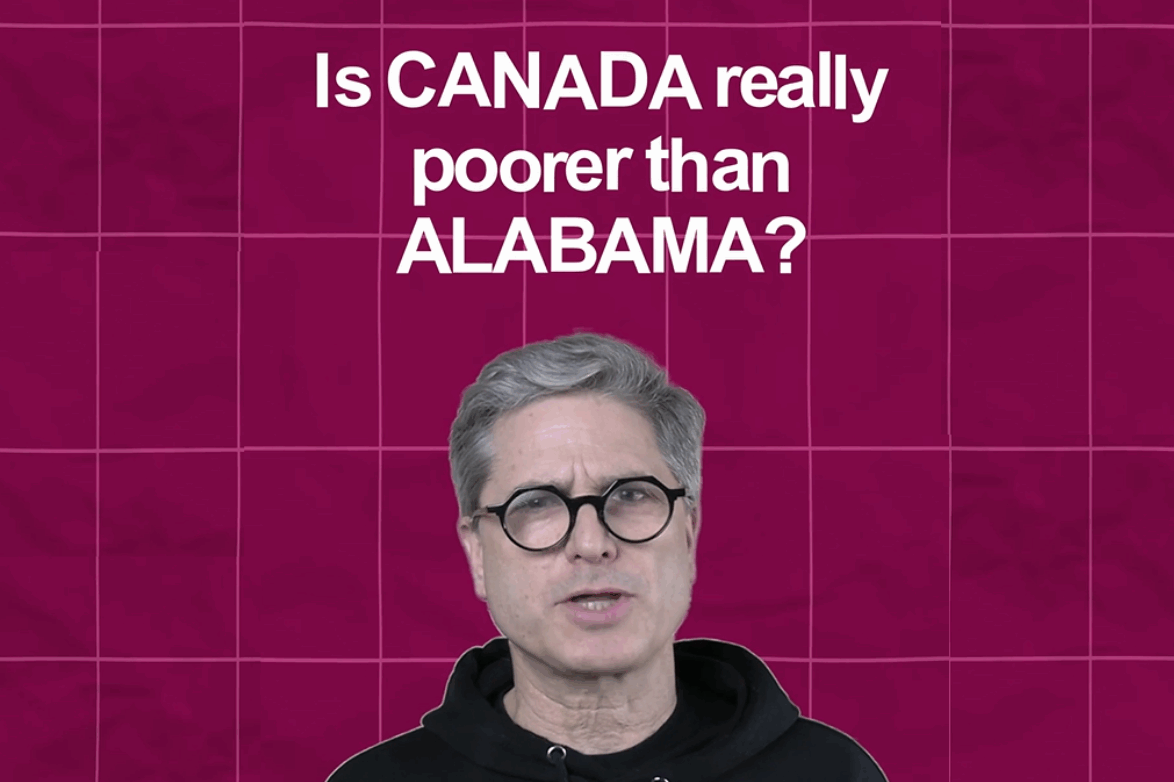
Watch the video: Is Canada really poorer than Alabama?
Corporate leaders are obsessing over GDP per capita. But, as SCP CEO Matthew Mendelsohn explains, if you look at just about any number that would meaningfully tell you how well our economy is doing, Canada does better than the U.S. So, when people speak glowingly of the American economic model, and how great it would be if Canada could be more like the U.S., it is worth asking: which aspect of that mess do they really want to replicate here? And how would that be good for Canadians?

The misleading use of per capita GDP: Numerators, denominators and living standards | Policy Options
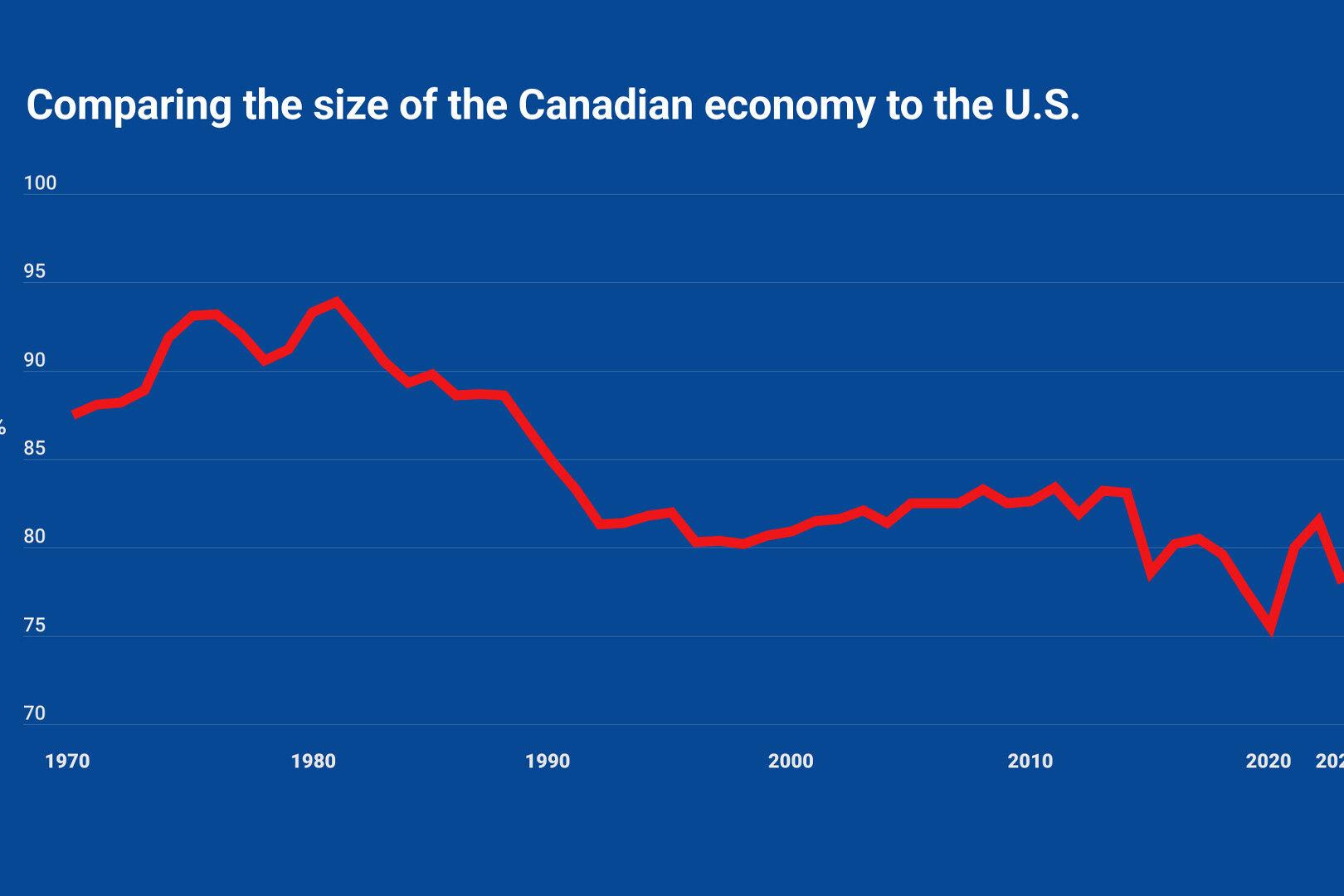
Certain partisans have been citing Canada's performance on per capita GDP as evidence of a supposed 'lost decade' and economic mismanagement. In Policy Options, economist and director of the Centre for Future Work Jim Stanford deconstructs this arbitrary and misleading statistic. In the first of a two-part analysis, he explains multiple factors affecting both the numerator and denominator in this headline-grabbing number and how recent trends in GDP per capita say more about rapid immigration than about Canada’s overall economic health.
The perils of per capita GDP: No, Canada is not poorer than Alabama | Policy Options
Some business and political commentators cite a growing gap between the per capita GDP of Canada and the U.S. as evidence of Canada’s purported economic dysfunction. In Policy Options, economist and director of the Centre for Future Work Jim Stanford deconstructs this arbitrary and misleading statistic. In the second of a two-part analysis, he explains how Canada is not poorer than Alabama and how, despite lower economic growth per person, most Canadians earn more, live longer and fare better than Americans.