Browse our ideas, opinions and initiatives designed to unlock pathways to wealth and economic security for working people. Or, filter your search by Topic or Type by clicking the menu options on the left.
A man speaks in front of newspaper headlines about investment and foreign takeovers, with the text Are foreign takeovers good for Canada’s economy? above him, as “is dominating” appears—highlighting topics explored in the Understanding Private Equity Webinar CAMP.

Watch the video: Are foreign takeovers good for Canada’s economy?

We all want more investment in Canada's economy. But as SCP Chair Jon Shell explains in this video, when it comes to foreign investment in the Canadian economy, or FDI, we have to ask: is it investment that builds? Or investment that buys? Because these are two very different things.

A man sits at a desk speaking, with the subtitle Inequalities persist at a very extreme level. Above him is an illustrated cover of the World Inequality Report 2026. Employee ownership trusts FAQs are highlighted in a modern, bright office setting.

What the new World Inequality Report tells us, and why it matters for Canada

The 2026 World Inequality Report is out and the results paint a picture of a world in which a tiny minority commands unprecedented financial power, while billions remain excluded from even basic economic stability. As SCP Director of Policy Dan Skilleter writes, Canada is far from immune to these global trends: although our own GDP keeps rising, wealth gains have been concentrated at the very top, while many households struggle to afford food and housing. The top 1% in Canada hold about 29.3% of total wealth, making our country's wealth inequality even more pronounced than our own Canadian Parliamentary Budget Officer reports. The good news is, momentum is building in Canada for better wealth data, shedding light on our "Billionaire Blindspot."

Two women, one older and one younger, sit close together on a couch, smiling as they look at a book or magazine in their laps—perhaps exploring employee ownership trusts FAQs in the softly lit room by the window.

How intergenerational inequality threatens trust in democracy | Policy Options

Our political leaders must be willing to make difficult tradeoffs to rebalance policies toward the young and away from older Canadians, write Jean-François Daoust, Liam O'Toole and Jacob Robbins-Kanter in Policy Options. The broader economic picture for younger Canadians offers little hope, and economic frustration is shown to run hand-in-hand with political alienation. As intergenerational inequality persists and deepens, Canada risks experiencing an even sharper decline in trust in its democratic institutions than what already exists. Building affordable housing and supporting young families are essential first steps in a much-needed generational reset that puts fairness at the centre of Canadian political life.

Illustration with a man helping a woman climb onto a platform, next to the text Employee Ownership Research Initiative and Centre for Entrepreneurship, Innovation & Social Impact, highlighting Rate Drop Rebate in London Ontario.

Smith School of Business launches new Employee Ownership Research Initiative

Smith School of Business at Queen's University is launching Canada's first-ever research initiative focused on deepening Canada’s knowledge and understanding of a powerful succession model that can enhance outcomes for owners, employees and communities: employee ownership. With funding support from Jon Shell, the EORI will be housed in Smith’s Centre for Entrepreneurship Innovation & Social Impact (CEISI). The initiative will shape a made-in-Canada approach to employee ownership and create a multi-disciplinary network of academics, researchers, practitioners and businesses to fill gaps in relevant data, expertise and business-oriented resources to support employee-ownership activities across the country.

A baseball player in a white uniform and blue cap dives horizontally, stretching out his gloved hand to catch a ball—much like seeking answers in employee ownership trusts FAQs—just above the ground on a baseball field.

Elbows up: Keeping Canadian companies in Canadian hands | Policy Options

Blue Jays pride notwithstanding, many of Canada's most iconic companies and brands have been quietly but steadily purchased by foreign entities in recent years. As Danny Parys writes in Policy Options, policymakers should do more to keep Canadian companies in Canadian hands by providing more support to expand financing opportunities, expanding awareness of untraditional ownership models and beefing up Canada’s net-benefit review requirements. These quiet foreign sales not only lead to major frustrations for consumers, but workers also feel the impacts because, as corporate leadership moves further away from the community, so do quality and accountability.

Two women are interacting at a table covered with books, drinks, and various items—perhaps discussing employee ownership trusts FAQs. One woman is seated, smiling and talking, while the other stands and leans in to listen in this casual indoor space.

Budget 2025 did not extend the $10M capital-gains exemption for sales through EOTs

We share the disappointment felt across Canada’s business and advisory community that Budget 2025 did not make the $10 million capital gains exemption for sales through Employee Ownership Trusts (EOTs) a permanent feature of Canada’s tax system. The current incentive, passed only in 2024 with an expiry set for December 2026, means that the business community has not had adequate time to act on this opportunity or build adequate momentum for this promising succession model. In this statement, Employee Ownership Canada responds to the Budget and reaffirms its strong commitment to working with government and partners to make the capital gains exemption permanent, ensuring employee ownership trusts remain a viable, long-term option for Canadian businesses.

Woman writes on glass with colleagues

FAQs on Budget 2025 and the future of Employee Ownership Trusts (EOTs) in Canada

There is some confusion out there about Budget 2025 and employee ownership trusts (EOTs). To confirm, the federal government did not extend the $10M capital-gains exemption for sales through EOTs, in the budget released on Tuesday, November 4, 2025. Because the sale of a business to an EOT is a process that often takes more than a year, certainty on the rules is essential for owners, advisors and employees planning succession. In this FAQ, Employee Ownership Canada answers key questions about what’s enacted now, why the incentive matters for uptake and how the sector, businesses and the organization are moving forward from the Budget news.

woman in grocery store aisle reaching for product on shelf

Could increased employee ownership restore confidence in Canada’s economy? | The Hub

As companies consolidate under ever larger pools of private capital, there’s growing unease around who’s actually benefiting from corporate growth. Falice Chin writes in The Hub that it’s no coincidence, then, that voices across the political spectrum are now revisiting models of employee ownership as a potential antidote to widening wealth inequality, fading community ties and a growing distrust in capitalism itself. This deep-dive looks at how employee ownership trusts, or EOTs, could be an elegant policy remedy to a crisis of confidence in the modern economy.

Hand holding a Bitcoin in front of a computer showing digital graphs

Hype or help? Can crypto and stablecoins solve economic inequality?

Some cryptocurrency advocates are promoting the use of stablecoins as a common currency, arguing that this new currency could help the cost-of-living crisis and promote economic equality – particularly for young people. Law professor, money expert and SCP Fellow Dan Rohde is not convinced that crypto can help address economic inequality. In this explainer, he breaks down what stablecoins are and aren’t, and how to think critically about their promises.

A white neon sign shaped like two hands shaking, symbolizing civic responsibilities, is enclosed in a clear rectangular case and mounted on a dark wall.

Budget 2025 should bolster employee ownership to strengthen Canada’s economy | Canadian Dimension

Budget 2025 offers Canada a chance to make employee ownership permanent by extending tax incentives for employee ownership trusts (EOTs) and worker co-ops. In Canadian Dimension, Simon Pek, Lorin Busaan and Alex Hemingway write that doing so would boost productivity, reduce inequality and secure business succession, while keeping jobs and decision-making local. A modest investment promises significant economic and social dividends.

Taproot employees smiling with arms around each other

What being an employee-owned company means to me

For what it’s like to be on the inside of an employee-owned company, we spoke to a few of the 750 employees who recently became 100-per cent owners of Taproot Community Support Services, a social services provider across B.C., Alberta and Ontario. Rewards the employees highlighted include company morale and spirit, for sure. They also include financial rewards paid out annually to each employee as dividends. Last year, each employee would have received about $1000 to $1500 on top of their salaries—and as the company succeeds over time, the employees will share financially in Taproot’s success.

Small child and parent peek over a grey fence

Wealth inequality in Canada is far worse than StatsCan reports

Our government’s best available data on Canada’s wealth gap excludes, by design, the wealthiest families in the country. As SCP Director of Policy Dan Skilleter writes, if we didn’t have the Parliamentary Budget Officer fact-checking Statistics Canada’s work, their numbers would tell us the top one per cent own only 2.5 per cent of all wealth – not nearly 25 per cent of all wealth in Canada, as the PBO reports. We like to think of Canada as a beacon of egalitarianism compared to our southern neighbours, but when you add in data from "rich lists" published by Forbes and Maclean's, our wealth concentration looks quite similar to the U.S.

A man stands before a historic building with a clock tower and Canadian flag. A purple banner reads, “Is Canada’s WEALTH gap really as BAD as the U.S.?”—part of the Understanding Private Equity Webinar CAMP series.

Watch the video: Is Canada’s wealth gap really as bad as the U.S?

As Canadians, we like to think we’re strong and free. But as SCP's Director of Policy Dan Skilleter explains, when it comes to the wealth gap, we're looking more like America Lite—better manners, but almost all the inequality. The way our economy is set up means that most of the benefits from economic growth go to financial interests and speculators, rather than to workers or other businesses. We can shift economic power to more people and aspiring entrepreneurs by making them owners. When more people have a stake, Canada’s economy works better for everyone—not just investors.

Bustling market with street performers in Toronto Canada

The federal government is leaving investment dollars on the table—but it can fix that in the budget

At the recent Victoria Forum, community and philanthropic leaders outlined creative community finance and impact investment ideas that could mobilize big pools of private capital to invest in local businesses, social purpose organizations and community infrastructure. However, as SCP CEO Matthew Mendelsohn writes, despite the growing maturity of the social finance community, Canada still lacks the social and community financing infrastructure and policies to make this happen. With some important fixes to fragmented financing and outdated regulatory frameworks, the coming Budget could make it easier for social finance investments to properly scale and deliver the kind of outsized impact Canada needs at this time.

Several tall construction cranes stand against a sunset sky near a waterfront, with high-rise buildings illuminated by lights—an evolving cityscape managing social and economic objectives inside business models, all reflected in the evening waters.

Acquisitions can’t build Canada: Understanding Foreign Direct Investment in an age of geopolitical fracturing

Levels of our country's Foreign Direct Investment, or FDI, do not actually tell us much about the state of the economy. One large deal can significantly affect total FDI inflows, which can vary dramatically from year to year. Plus, as SCP Fellow Sarah Doyle and SCP Chair Jon Shell write, not all FDI is created equal. Distinguishing between beneficial and harmful FDI is even more important now, in the context of a global trade war and threats to Canada’s economic sovereignty. In this explainer, they unpack FDI: what it is, when it is and isn’t beneficial and why understanding these nuances matters.

Group shot of Taproot staff meeting

Maple Ridge-based company now owned by its 750 employees | Maple Ridge-Pitt Meadows News

Neil Corbett of the Maple Ridge-Pitt Meadows News reports on locally based Taproot Community Support Services making some business history in Canada. Taproot's 750 employees in B.C., Alberta Ontario will now own 100 per cent of the business, becoming the largest Employee Ownership Trust (EOT) in Canada and the first in the social services sector. Finance minister Francois-Philippe Champagne explains why this is a perfect example of what EOTs can do, calling the trusts "a powerful, timely tool that helps Canadian employees become owners of the businesses they work for, while helping entrepreneurs find the right people to carry their legacy forward."

Taproot team members

Taproot becomes Canada’s largest employee-owned trust with 750 workers | The Globe and Mail

On Sept. 2, 2025, B.C.-based Taproot community support services surprised its 750 employees with the news they will become equal owners of the company they helped build. Minister of Finance & National Revenue Francois-Philippe Champagne joined CEO Mike Fotheringham and Social Capital Partners Chair Jon Shell to celebrate the new worker-owners and Canada’s largest Employee Ownership Trust (EOT) to date. In the Globe and Mail, Meera Raman reports on Taproot's milestone and how this succession model keeps companies Canadian, keeps jobs in local communities and builds wealth for workers.

A flyer for Social Capital Partners’ 2025 Federal Pre-Budget Submission, dated August 28, 2025, featuring a photo of a person using a grinder with sparks—highlighting managing social and economic objectives inside business models. Logo appears at the bottom.

Social Capital Partners’ 2025 Federal Pre-Budget Submission

There has never been a federal budget quite like this one. Canada faces a moment of extreme peril, threatened by an American administration that has abandoned our mutually beneficial trading and security regime. In our pre-budget submission, Social Capital Partners recommends that Budget 2025 focus on broadening ownership to ensure the benefits of economic growth are more widely shared. Policy choices should move us away from an economy fueled by wealth extraction that enriches billionaires and inflates the bottom lines of foreign funds, and instead, move us towards more local reinvestment that builds an inclusive, sustainable and resilient democratic future where all Canadians have realistic chances to build economic security.

woman types on calculator with papers and laptop open in front of her

How Canada’s tax system puts the wealthy above workers

Rather than using the tax system to prevent wealth concentration, our current tax system promotes it. Those who earn income from their investments have more income left over after taxes, allowing them to accumulate wealth more quickly than others. SCP Fellow Silas Xuereb explains how, south of the border, we are witnessing the consequences of runaway wealth inequality – billionaires use their media conglomerates to get political favours, exploit the instruments of the state to enrich themselves and, increasingly, secure political office. All of these trends are leading to the erosion of democracy and public policy that advances the interests of the wealthy at the expense of everyone else. If Canada does not rebalance our tax system to prioritize work over wealth, we may soon find ourselves on the same path.

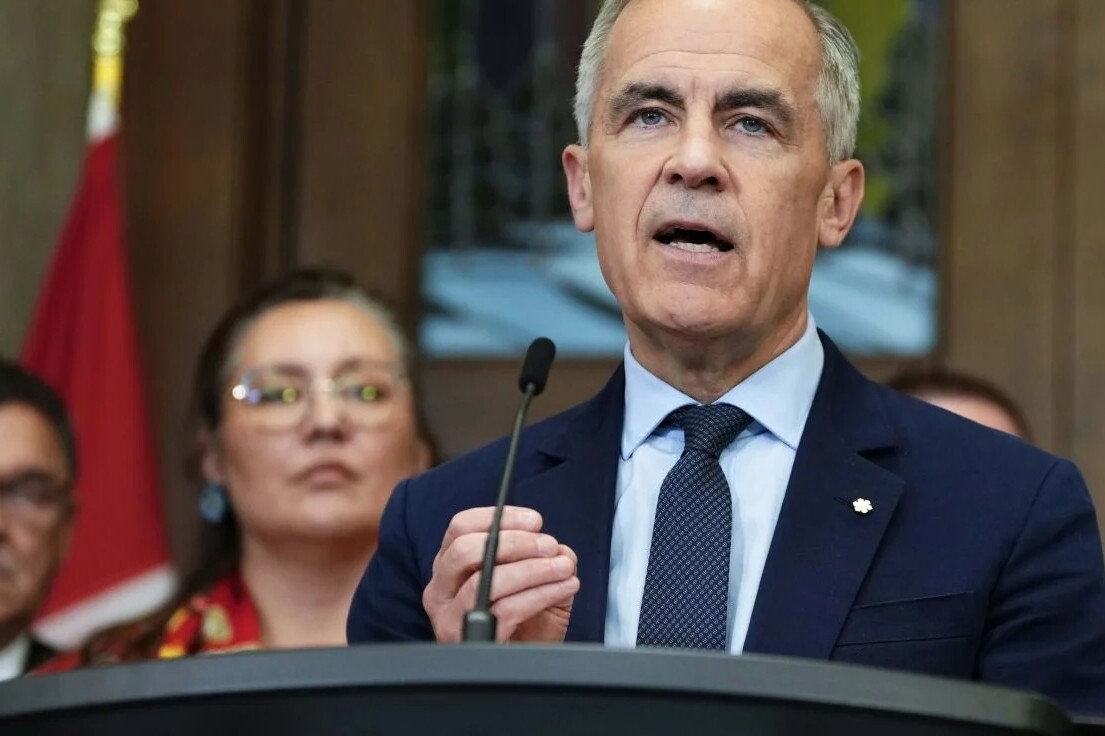
A man in a navy suit speaks at a podium with a microphone, gesturing as he addresses wealth inequality. People stand behind him, and a red flag is visible in the background.

Mark Carney’s economic agenda misses something vital | Toronto Star

Prime Minister Mark Carney's campaign focused on economic growth and sovereignty. He talked a lot about how Trump wants to "break us so he can own us," and yet, so far, details of an ownership agenda are pretty thin. The reality is that Canadians cannot be "masters in our own home" if the home is owned by a U.S. hedge fund. Broadly distributed, local Canadian ownership of our economy and our assets must be a central part of our economic growth strategy. In the Toronto Star, SCP CEO Matthew Mendelsohn writes that he sees some early, positive signs of such a plan coming from the federal government and spells out what a real ownership agenda that serves "the owners of Canada" would look like.

Close up of acoustic guitar

HBS Case | Taylor Guitars: Making Employee Ownership Work the Taylor Way

After a successful transition to 100% employee ownership, Taylor Guitars' experience is now the subject of a Harvard Business School case. Read more about how their experience brings the evidence to life: "Employee-owned firms grow faster, default less often, are far more resilient in economic downturns and pay their people more, even before you factor in the wealth-generating effects of ownership. It’s also a great business succession option as it lets owners exit for fair prices while protecting the people and communities they care deeply about.”

Members of the Canadian Chamber of Commerce attend an event in Washington DC and pose in front of the Capitol building with a Canadian flag

The tariff war means a new normal for Hamilton businesses | Hamilton City Magazine

The wrecking ball that Donald Trump has taken to international trade has wounded relations between Hamilton businesses and their American suppliers and customers, reports Eugene Ellman in Hamilton City Magazine. Now, they’re looking east and west to replace traditional links to the south and pushing back. When Trump started pontificating about how Canada should become the 51st state and claiming the United States was subsidizing its northern neighbour, SCP Founder Bill Young and the team responded with Always Canada. Never 51 - part economic populism mixed with methodical policy-making, the series is devoted to the issues of wealth inequality and Canadian sovereignty.
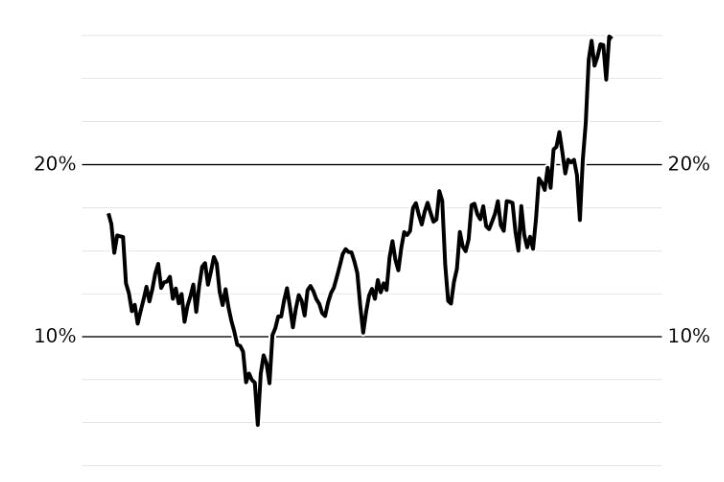
Line graph showing Canadian corporate profits as a percentage of GDP from 1980 to 2023. Profits fluctuate between 10% and 20% until 2020, then rise sharply to nearly 30% by 2023, highlighting trends in wealth inequality.

Innovate? In this economy? With these profit margins?

Canadian businesses are immensely profitable, but businesses simply haven't been reinvesting in them. As Tom Goldsmith writes in Orbit Policy's Deep Dives, the financialization of Canada’s economy and the high levels of rent extraction that accompany it are barriers to innovation. We are impoverishing ourselves over the long term to support short-term financial gains. If we care about innovation and productivity, then we need to focus far more critical attention on corporate Canada.

Woman votes at elections canada polling station with two staff looking on and smiling

Canada’s Liberal party will face down Trump. But will it address inequality? | Truthout

Prime Minister Mark Carney has a monumental task to lead Canadians through the turmoil of a second Donald Trump term, while also addressing various crises: affordability, housing, toxic drugs and health care, to name a few. For Truthout, Nora Loreto interviewed SCP Fellow Silas Xuereb about the crises that loomed over Canada's recent federal election and one fundamental cause that was never clearly identified: concentrated corporate power.
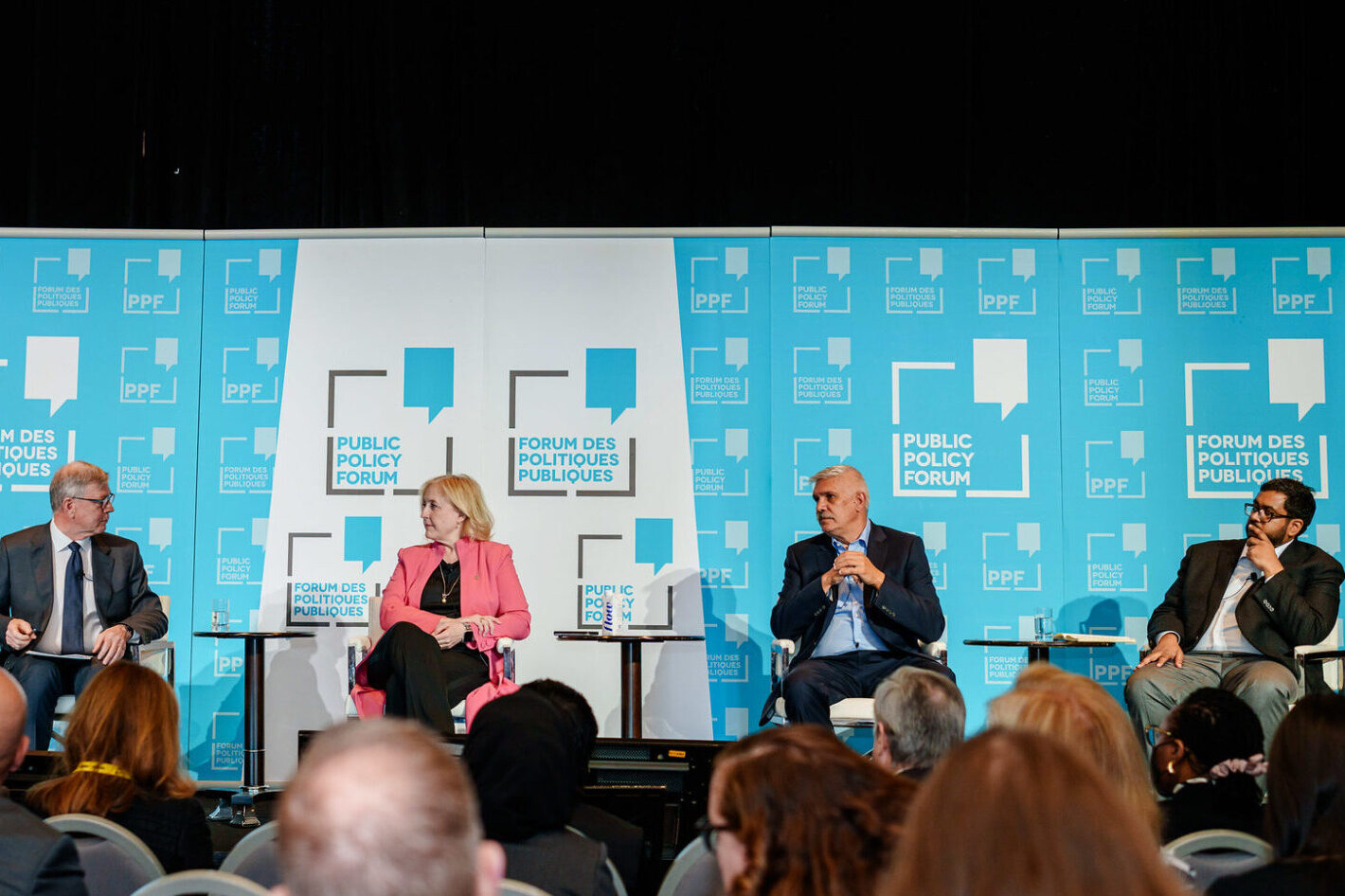
Four people sitting on stage at the Public Policy Forum

Ten ways to unleash Canada’s potential | Public Policy Forum

As Trump’s mercurial tariff mandate unleashes market mayhem and geopolitical unease, Canadians have galvanized—buying local, putting the maple leaf on everything, ratcheting our elbows way up. Over the course of a dozen sessions at Public Policy Forum’s 2025 Canada Growth Summit, more than 40 speakers, including SCP's CEO Matthew Mendelsohn, put forward a series of smart, actionable ideas for how governments, businesses, policymakers and communities can work together to advance our collective fortunes.

Shot from above of wooden table with various construction tools placed on it including a yellow hard hat, white leather gloves and a maple-leaf banner in red and white

Hands Off: Investing in employee ownership can ensure Canadian businesses stay Canadian | ImpactAlpha

While Canada’s policymakers try to figure out how to make the Canadian economy less vulnerable to Trump’s whims, many Canadian businesses are going to look like a good deal for American investors. A weak Canadian dollar, low interest rates and expected liquidity challenges create the conditions for an acceleration of private equity-led buyouts of Canadian firms. In ImpactAlpha, SCP's CEO Matthew Mendelsohn explains how, as Canada faces Trump’s mercurial and predatory approach to trade and economic policy, employee ownership can offer much-needed stability and resilience.
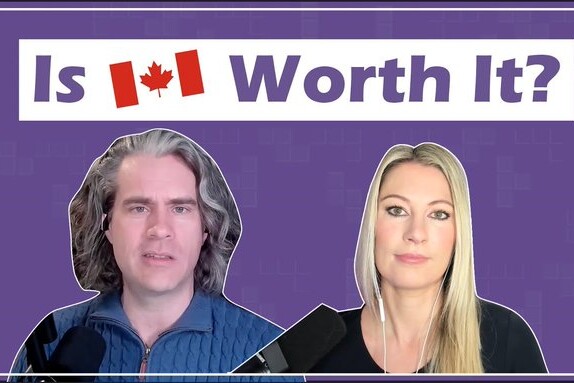
Is Canada worth it? With two faces: Mike Moffat and Sabrina Maddeaux

Are young people giving up on Canada? | Missing Middle Podcast

Sabrina Maddeaux and Michael Moffatt explore how the inability to afford housing not only affects individuals but also poses systemic risks to the Canadian economy and society. They delve into the implications of economic vulnerability, the talent exodus to the U.S. and the growing disconnection among younger generations, emphasizing the urgent need for a cohesive housing policy that addresses these interconnected issues to ensure a stable and resilient future for Canada.

Woman sits on the couch looking at a laptop with her hand on her young son's chest beside her

As Canada prepares for disruption and sacrifice, whose side are our leaders on?

In this election, Canadians are looking for a leader who will stand up to economic threats from our mercurial and adversarial neighbour. But how, Matthew Mendelsohn asks, will the ideas on offer help workers, regular people, not-for-profits and smaller and medium-sized businesses transition to the emerging new world order? Yes, Canada needs economic growth, but it needs to be the kind that enriches working Canadians, not just not just large financial and corporate interests.

Vancouver office building under construction with EllisDon banner visible

How employee ownership can help secure Canadian sovereignty | The Calgary Herald

With Canada’s sovereignty at stake, we must invest in every approach to keeping Canadian businesses in Canadian hands. If we match the U.K.'s success in incentivizing employee-ownership conversion, we would see 300 Canadian companies sold to their workers each year. SCP Chair Jon Shell and Employee Ownership Canada CEO Michael Ras explain how very few policies promise as powerful an outcome.
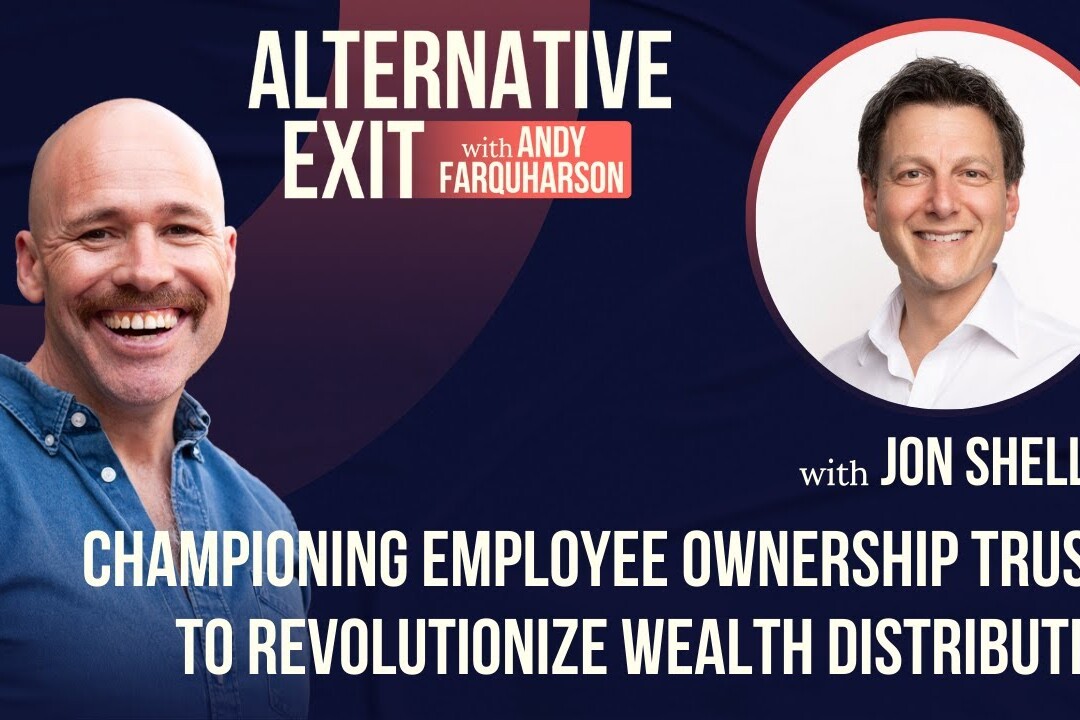
Podcast promotional image featuring Andy Farquharson and Jon Shell. Text reads: Alternative Exit with Andy Farquharson with Jon Shell. Inspired by Uncommons Podcast: Wealth Inequality and Inclusive Growth with Matthew Mendelsohn.

The Alternative Exit podcast: Championing Employee Ownership Trusts to revolutionize wealth distribution

SCP Chair Jon Shell sits down with Andy Farquharson on The Alternative Exit Podcast to explore the transformative potential of employee ownership. Jon recounts how he advocated for Employee Ownership Trusts (EOTs) in Canada to address wealth inequality and business succession. He talks advantages of EOTs, from preserving a company’s legacy to fostering economic resilience in the workforce and reshaping both business culture and wealth distribution.
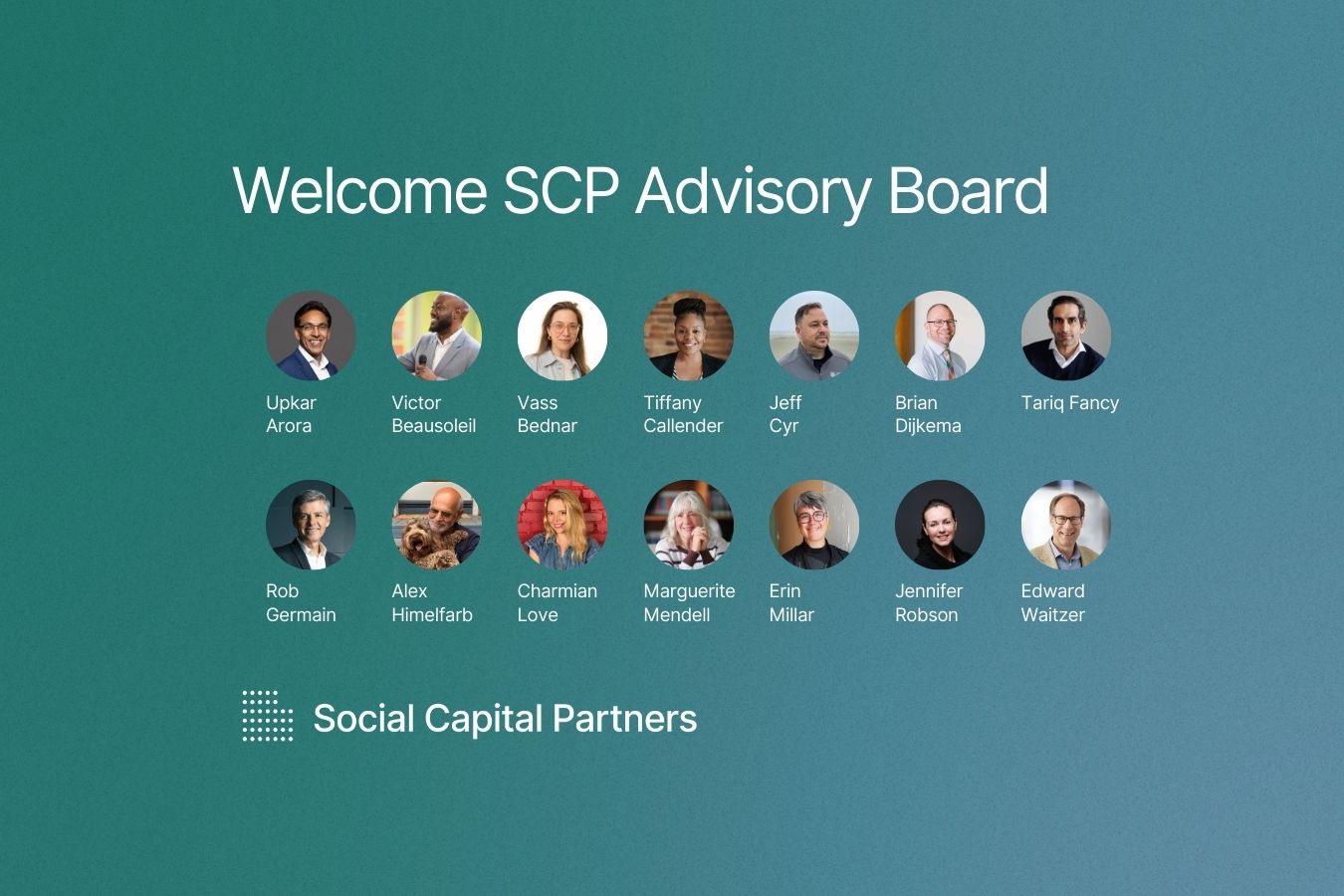
Welcome SCP Advisory Board

Social Capital Partners appoints slate of new advisors

Advisory Board members will advise on SCP’s strategy and agenda, drawing on decades of experience across finance, business, government, public policy, communications, civil society and community economic development.

Two women stand at a white cart with a red and white striped canopy, where a man is serving canned drinks and popcorn boxes outdoors on a sunny day. The cart, featuring the letters PC, hosts an event about Social Capital Partners.

A message from Social Capital Partners: We’re going to tell you the truth

There are lots of real, tangible public-policy solutions to the problems we face, says Matthew Mendelsohn. It begins with talking about the economy in a different way, grounded firmly in the public interest and data that reflect the reality of how people experience their economic lives.

Two professional headshots side by side: Chander Gauthier, Partner, Audit & Advisory, and Jon Shell, Chair, Social Capital Partners. A speech bubble to the left reads Overheard at Crowe Soberman—discussing employee ownership trusts.

Overheard at Crowe Soberman: The EOT advantage

Crowe Soberman Audit and Advisory Partner Chandor Gauthier sits down with Jon Shell, Chair of Social Capital Partners and Board Member at Employee Ownership Canada. They dive into the benefits of Employee Ownership Trusts and get into the nitty gritty of how EOTs can support smooth business succession, boost equity and retention and safeguard business legacies.

Woman turns dial on a piece of equipment at an agricultural co-operative

At the corner of Main Street and Purpose: Rethinking small businesses by rethinking who owns them

Is alternative ownership the future of business in Canada? Shane Gibson from Future of Good reports on how converting to a non-profit, establishing an Employee Ownership Trust, or becoming a co-operative can help a small business become more sustainable, ensure job security and retain wealth within the community.
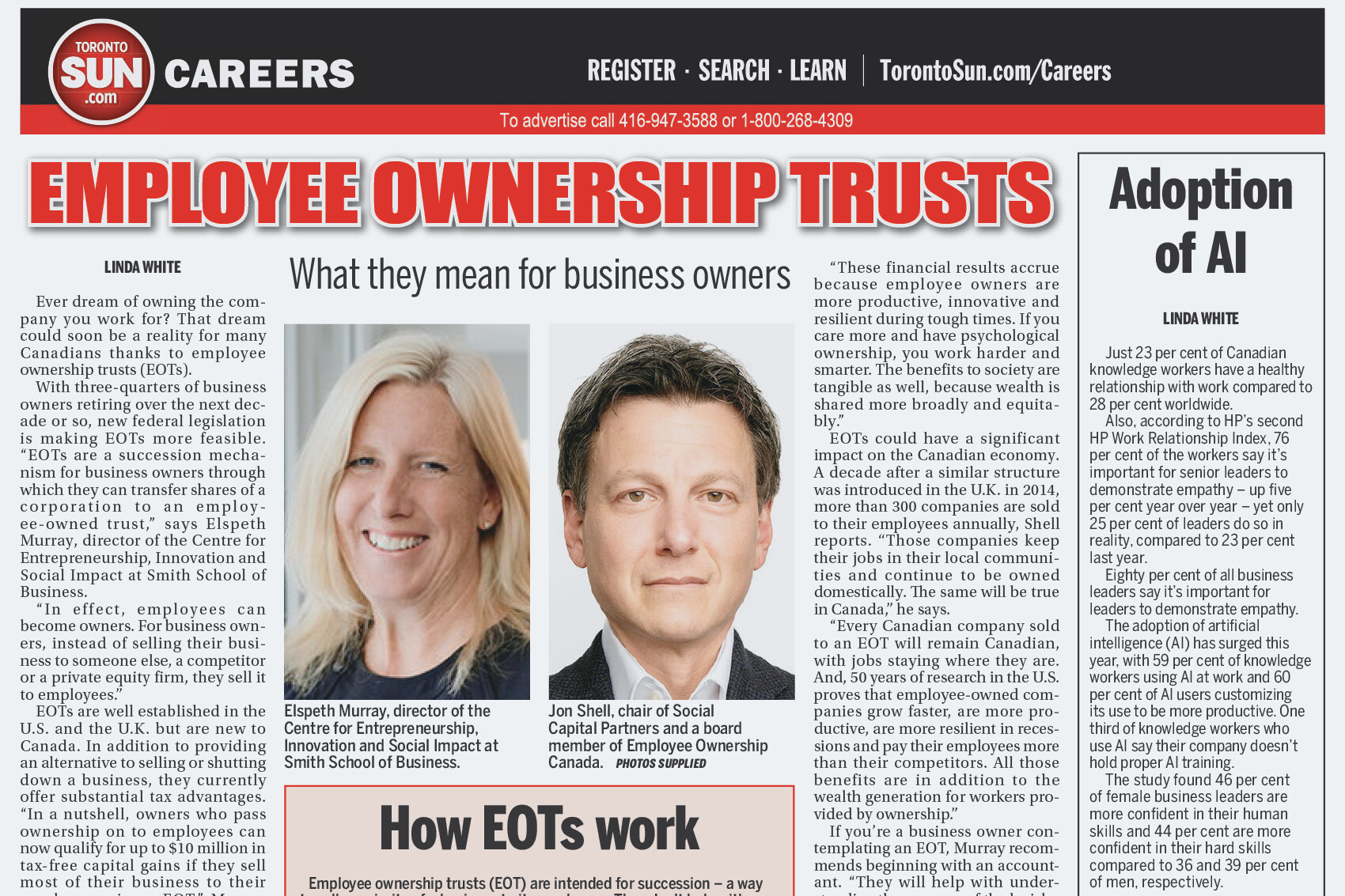
A newspaper page discusses employee ownership trusts and AI adoption, featuring headshots of two professionals, article text, headlines, and the Toronto Sun Careers section header at the top.

Employee ownership trusts explainer | Toronto Sun

SCP Chair Jon Shell in the Toronto Sun on what Employee Ownership Trusts mean for business owners, the community and the broader economy
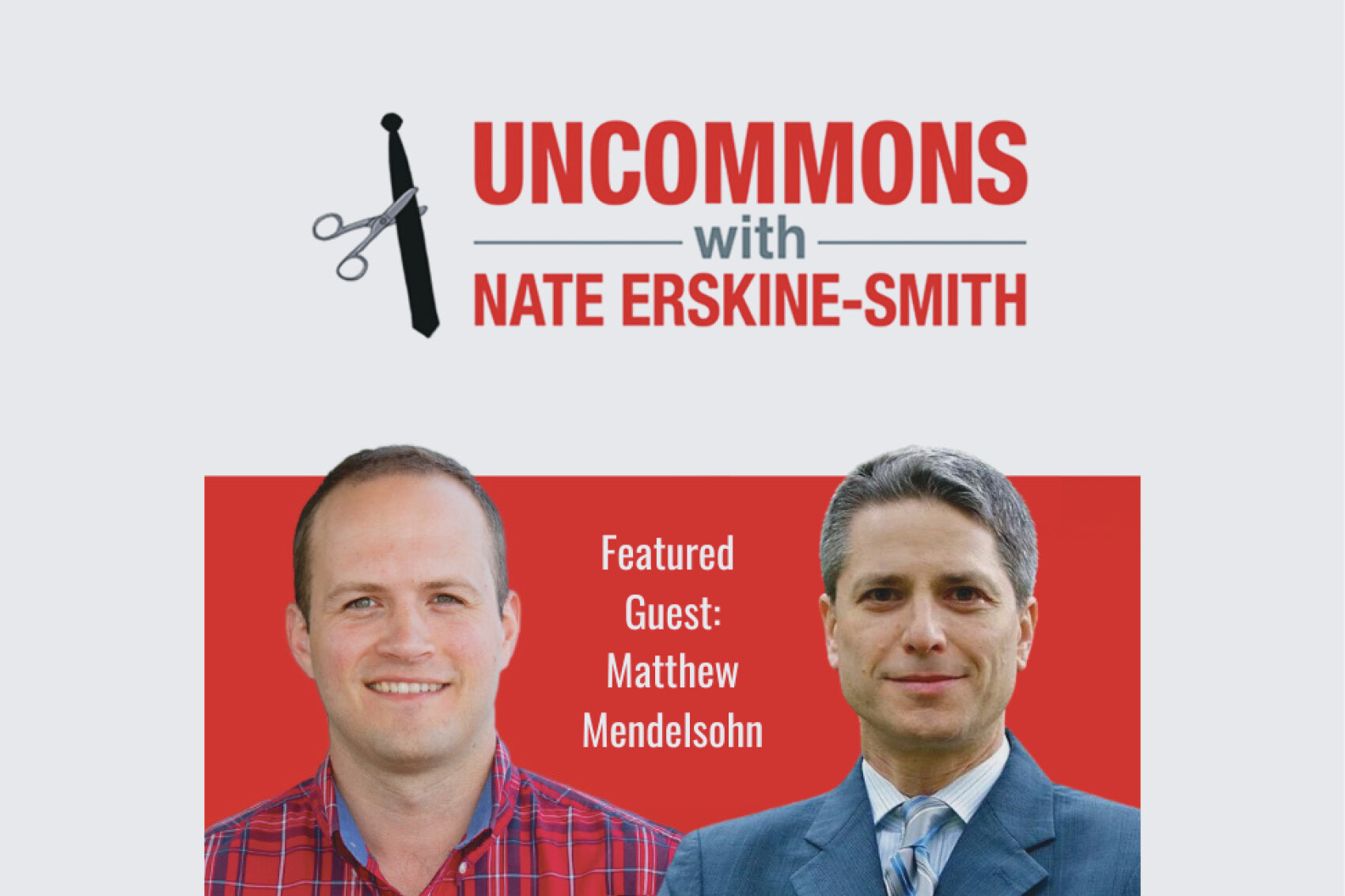
Promotional graphic for the Uncommons with Nate Erskine-Smith podcast featuring guests Matthew Mendelsohn and another person. The title has a tie and scissors graphic, referencing employee ownership trusts, with both guests on a red background.

Uncommons Podcast: Wealth inequality and inclusive growth with Matthew Mendelsohn

Social Capital Partners’ CEO, Matthew Mendelsohn, joins Member of Parliament for Beaches-East York, Nate Erksin-Smith, on his podcase “Uncommons”. Matthew and Nate talk about wealth concentration and its threat to democratic stability. They also discuss practical solutions to address wealth inequality, lack of trust in democratic institutions, the role of the federal public service and the need for a competent and responsive government.

Man with vest and toque stands in aisle of warehouse shelving

Employee Ownership Trusts make it easier for Canadian businesses to share wealth with employees

When outside interests take over a small or medium business, it's often purchased then closed, leaving holes in the community. Future of Good reports on how new laws could encourage more retiring business owners to sell to their employees through Employee Ownership Trusts. EOTs help businesses stay local and contribute to employee retention and financial wealth.

Silhouettes of people walking on a modern glass bridge are reflected in the shiny surface below, creating a striking, symmetrical scene with a cool, blue-toned ambiance that subtly hints at Mark Carney’s concerns over wealth inequality.

Mark Carney and the Canadian business elite need to think more about growing wealth inequality that is destabilizing democracies around the world

Mark Carney made a speech last week and many people had plenty to say about it. But one of his replies during the Q & A deserves more attention than it received. MP Nate Erskine-Smith asked Carney what he would do about Canada’s growing wealth inequality. Carney’s answer was a bit unfocused, but he made two points clearly: 1) Let’s hope wealthy people give more to charity, and 2) We shouldn’t only focus on redistribution.

A man with dark hair and a beard, wearing glasses and a black coat, walks outdoors between modern buildings while carrying a briefcase—perhaps on his way to discuss employee ownership trusts. Sunlight casts shadows on the ground.

Employee ownership trusts: What they mean for Canadian business owners

A helpful summary of Employee Ownership Trusts that gives Canadian business owners and their advisors a simple (albeit not short) explanation about what they are, and why they should care.

A man with a beard, sunglasses, and a shoulder bag walks past outdoor picnic tables near a glass café with signs advertising cold brew, ice cream, and affogato coffee. Another person reads employee ownership trusts FAQs at a table in the background.

Employee ownership trusts FAQs

Bringing EOTs to Canada has been a labour of love for a lot of people over the last few years. We’re deeply grateful to the government for establishing the policies we need for employee ownership to flourish here. Now that it’s real we can’t wait to see the community pick the idea up and run with it.

A wide-angle view of a historic gothic-style parliament building with a central clock tower under a hazy sky, and a tall construction crane visible on the left side—symbolizing change, much like the rise of Employee Ownership Trusts.

Budget 2024 unleashes unprecedented opportunities for employee ownership in Canada

After four years of research, engagement and advocacy, the federal government has finalized the legislative and tax structure for Employee Ownership Trusts (EOTs). Social Capital Partners and the Canadian Employee Ownership Coalition are grateful for the government's careful work to make EOTs an attractive option for business owners.
billionaire blindspot report

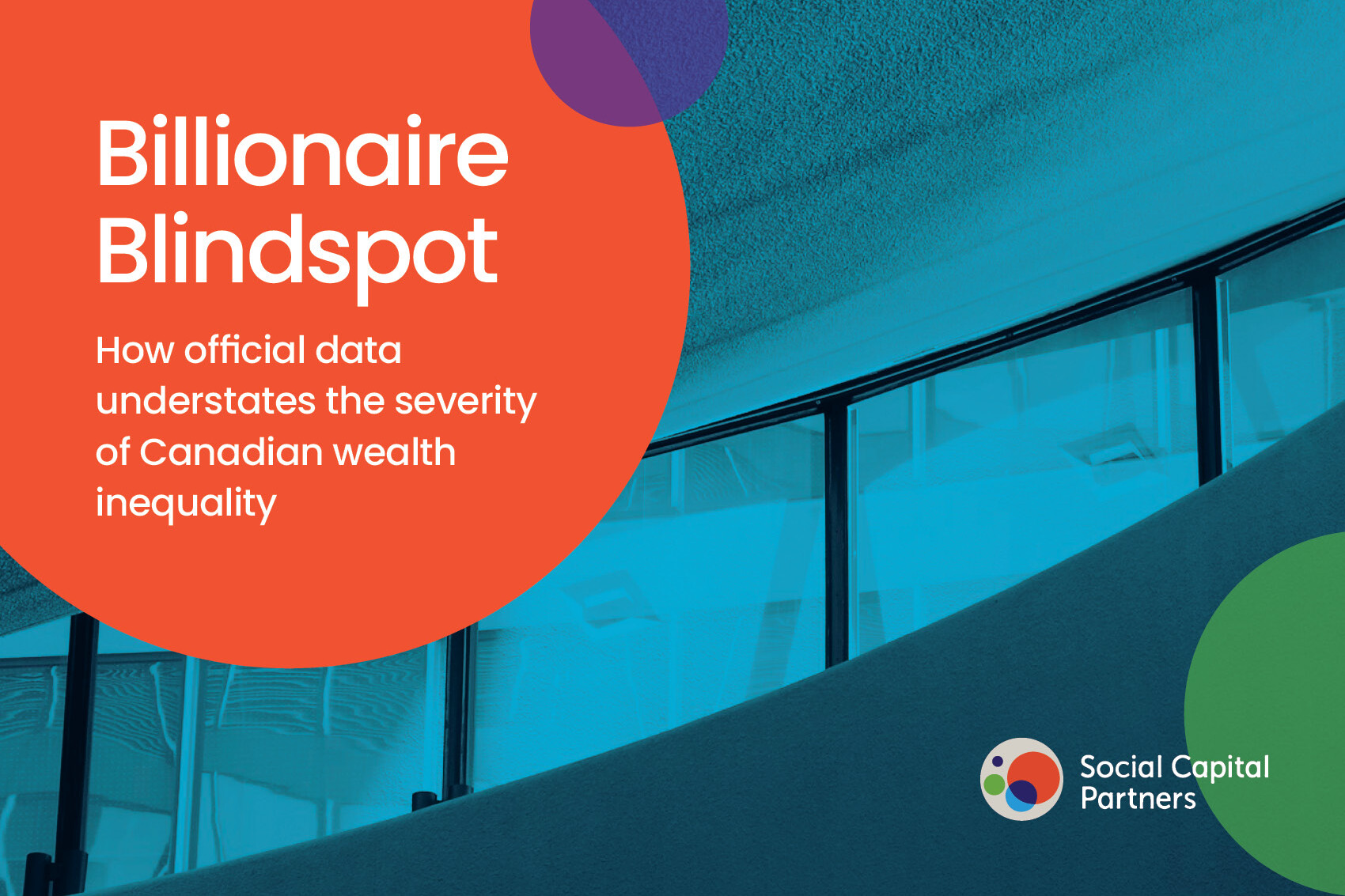
Billionaire Blindspot: How official data understates the severity of Canadian wealth inequality

Statistics Canada's official wealth survey significantly underestimates wealth inequality. Canada’s wealth concentration is not as extreme as in the United States, but closer than official data suggest. This misleading portrait undermines Canadians’ ability to have an evidence-informed conversation about how to address growing wealth concentration and the threats it represents for economic resilience and democratic stability.
Logo for Social Capital Partners features rows of white dots forming a square, with “Social Capital Partners” text on a vibrant gradient background of teal, blue, and magenta.

Preparing for SCP’s next strategic phase

Social Capital Partners has a long history of investing in people and projects that create more economic opportunity in Canada. Recently, our focus has been on establishing more avenues for working Canadians to build wealth through ownership. Learn more about what we are moving towards.
The chamber of the Canadian House of Commons, featuring rows of green seats, a speaker's chair, wood paneling, stained glass windows, and a Canadian flag at the front—where important topics like employee ownership trusts in Canada are often discussed.

Unlocking the potential of employee ownership in Canada

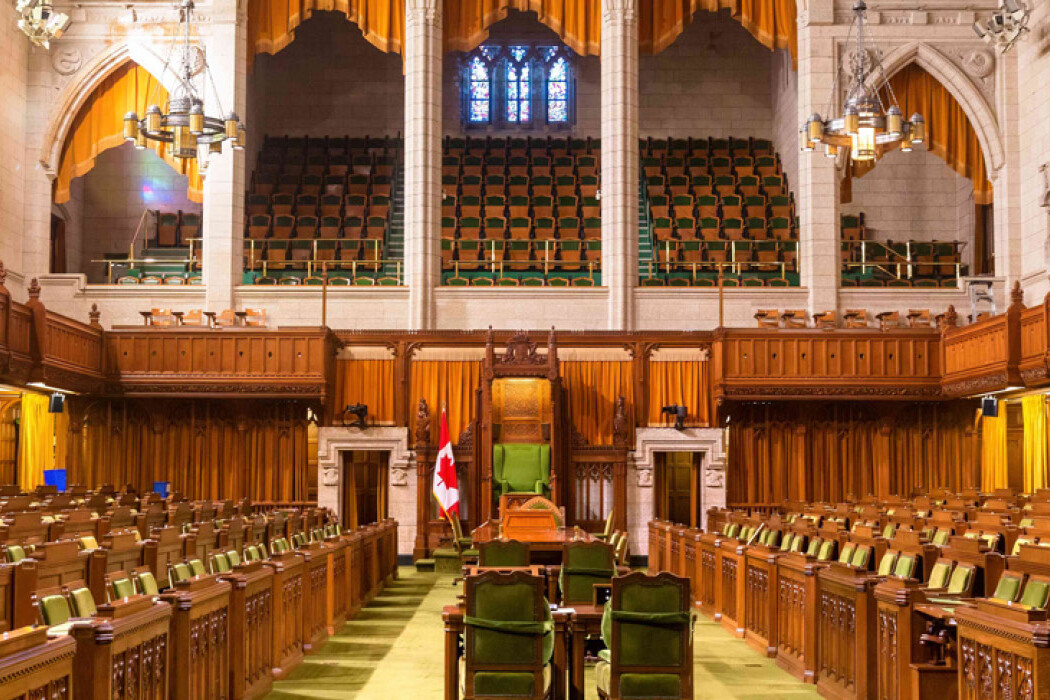
In the US and the UK, employee-owned companies grow faster, pay better, are less prone to lay-offs or bankruptcies in economic downturns, and are more likely to keep jobs in local economies. Due to supportive public policy, EOTs are a popular structure for business succession in those countries and have generated significant wealth for front-line employees. Canada does not have a business structure comparable to the employee ownership trust (EOT).

A woman and child walk with an older woman carrying a shopping bag, while another woman takes their photo on a city sidewalk—a scene capturing everyday life often missed in the billionaire blindspot, as discussed in Toronto Star Opinion.

Canada is bad at studying wealth inequality and we explain why that matters

Social Capital Partner's Director of Policy Dan Skilleter summarizes the key findings of his recent report "Billionaire Blindspot" in a Toronto Star Opinion piece.

A luxury yacht floats on blue water near a rocky coastline with green hills and scattered buildings, under a partly cloudy sky. Impressive cliffs and mountains rise in the background, evoking scenes from a Billionaire Blindspot news release.

Social Capital Partners releases new report on wealth inequality in Canada – concludes that official statistics significantly underestimate the problem

This new report critically analyzes Canada’s flagship wealth survey, the Survey of Financial Security (SFS), and outlines how its methodological shortcomings lead to significant underreporting of wealth inequality.
Dan Skilleter joins The Agenda with Steve Paikin as two men in suits sit at a glass table, discussing financial balance. Behind them, scales with money and gold highlight their topic, while a red play button appears at the center.

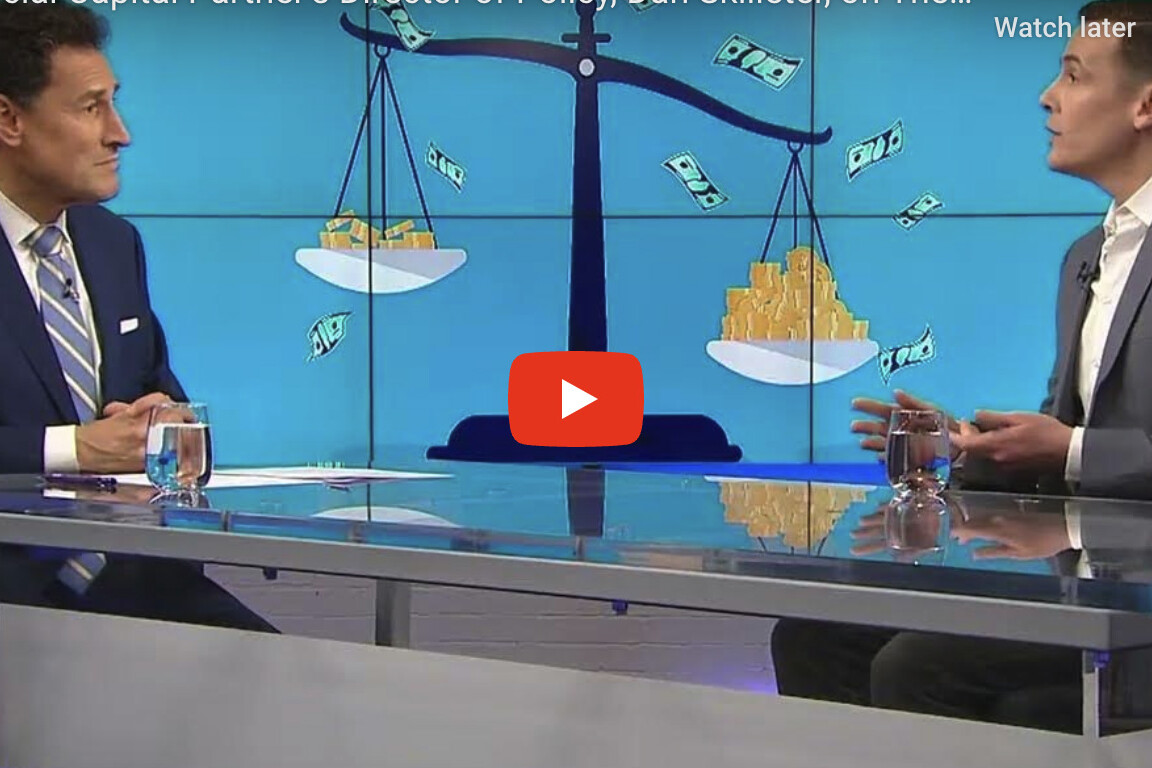
Social Capital Partner’s Director of Policy, Dan Skilleter, on The Agenda with Steve Paikin

Social Capital Partner’s Director of Policy, Dan Skilleter, sits down with Steve Paikin on The Agenda to discuss his recent report “Billionaire Blindspot”. This segment digs into how Canada’s official statistics severely underestimate how rich the richest Canadians are and includes steps that can be taken to correct this misrepresentation.

Close-up view of a modern glass office building with angular, geometric lines and numerous windows reflecting light—a scene echoing the bank of canada productivity ethos, where structure and repetition create an abstract, mirrored effect.

Bank of Canada’s unproductive productivity speech

Social Capital Partners' CEO, Matthew Mendelsohn, reflects on the Bank of Canada's productivity speech and calls for need of fresh ideas, voices and questions.
Building_an_employee_ownership_economy_2022-cover

Building an employee ownership economy

New research continues to demonstrate that employee ownership fosters economic resilience. As in previous economic crises, employee-owned companies were better at retaining employees and at maintaining hours and salaries throughout the pandemic. In a post-pandemic economic environment, the demonstrated benefits of increased employee retention and alignment by employee-owned companies will be even more important to support economic growth.

A close-up of a person’s hand playing the strings of a guitar, with dim lighting emphasizing the fingers and instrument—much like how employee ownership highlights each individual’s role in creating harmony within a company.

Taylor Guitars’ transitions to 100% employee ownership with support from the Healthcare of Ontario Pension Plan (HOOPP) and Social Capital Partners (SCP)

In a transaction that would be impossible for a Canadian company, the owners of North America's largest builder of acoustic guitars secure a sustainable future for their company and its employees.

Fast Facts

Our fast facts

SCP highlights

View the highlights
Skip to content